Keeping your wardrobe current should not require replacing everything whenever the weather changes. The most useful seasonal menswear trends 2026 offer new proportions, richer surfaces, and smarter layers that can work with clothes you already own.
This guide explains the major shifts across spring, summer, fall, and winter, along with practical ways to wear them without looking like you borrowed an entire runway outfit.
Seasonal Menswear Trends 2026 Begin With Relaxed Proportions
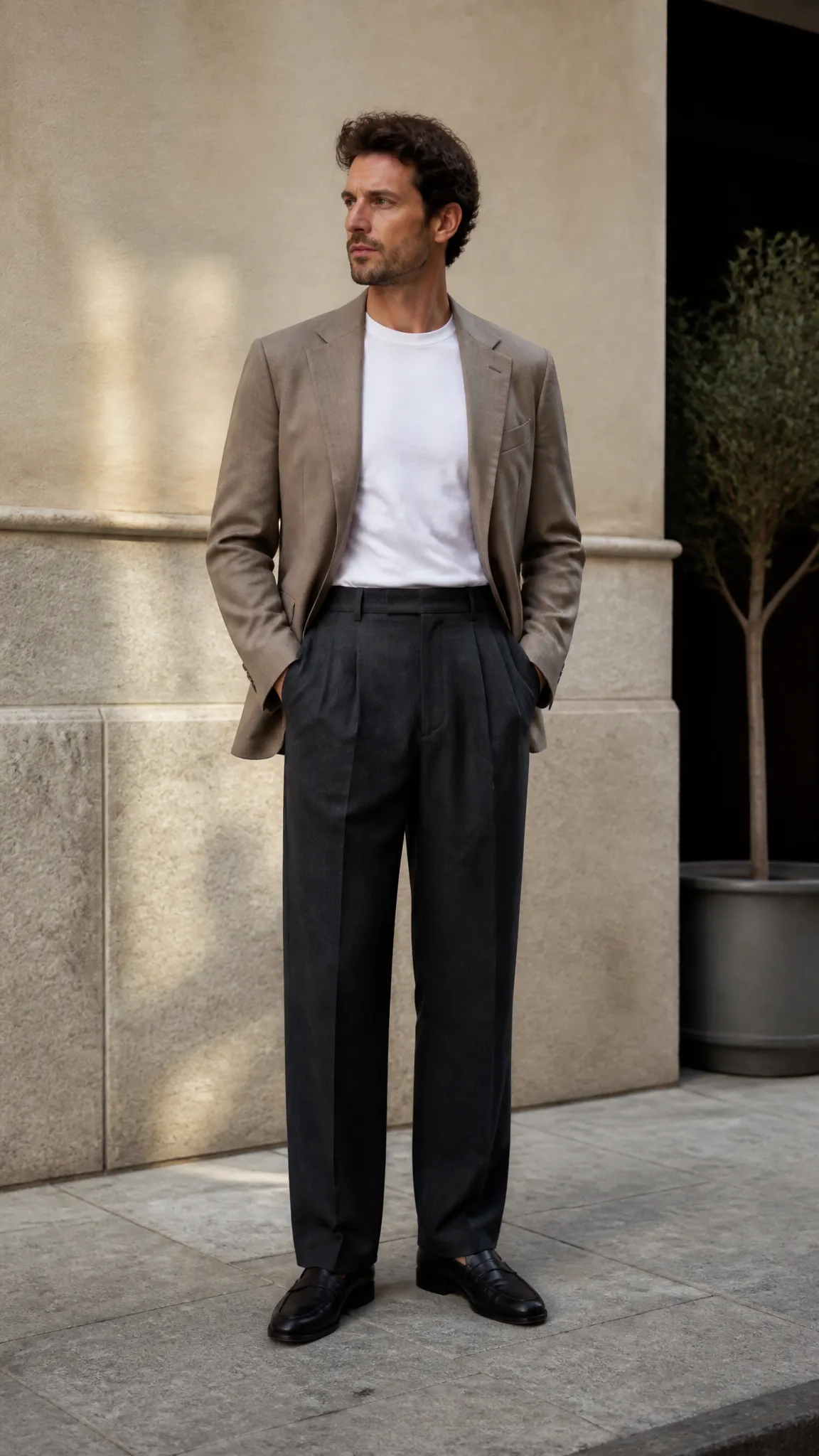
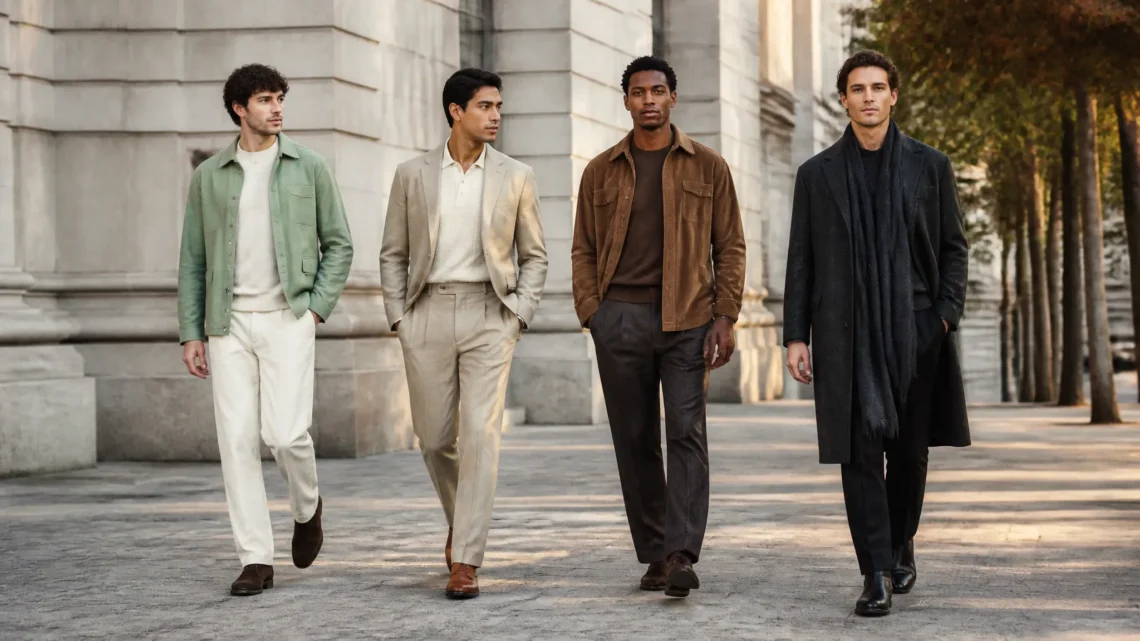
The central silhouette for 2026 is relaxed but controlled. Jackets, shirts, and pants have more room, yet the strongest outfits retain enough structure to avoid looking shapeless. The goal is ease rather than excess.
For tailoring, that means softly constructed blazers with natural shoulders, a little extra room through the chest, and lengths that cover the seat. Pants sit closer to the natural waist and fall in a straight or gently wide line. A single pleat can add comfort without turning the look into a period costume.
Casual clothing follows the same principle. Boxy overshirts, roomy knit polos, and cropped jackets pair well with full-length trousers because the shorter top balances the wider leg. If both pieces are long and oversized, your outline can lose definition.
You do not need to abandon slim clothing entirely. A fitted T-shirt beneath an open, relaxed shirt creates a useful contrast, while a lean merino sweater can keep wide trousers office-friendly. Proportion matters more than any single fit label.
Spring Favors Light Layers and Muted Color
Spring style works best when it anticipates temperature changes instead of pretending they do not exist. Lightweight outerwear is therefore more important than a single statement garment, especially in parts of the United States where mornings and afternoons can feel like different seasons.
Short mac coats, unlined chore jackets, suede truckers, and technical blousons all fit the moment. Look for enough room to accommodate a knit or overshirt, but avoid heavy insulation. Cotton twill, washed canvas, nylon, and light suede provide visual texture without winter weight.
The seasonal palette moves beyond predictable navy and khaki. Sage, clay, dusty blue, butter yellow, and warm stone feel fresh while remaining easy to combine. These softened colors function almost like neutrals, particularly when grounded by cream denim, brown suede, or charcoal trousers.
Layering should remain visually simple. Try a pale blue shirt under an olive chore coat with ecru jeans, or wear a fine-gauge polo beneath a lightweight mac. Two visible layers usually look intentional; five visible collars may suggest you dressed during a fire drill.
Summer Clothing Gets Airier, Not Sloppier
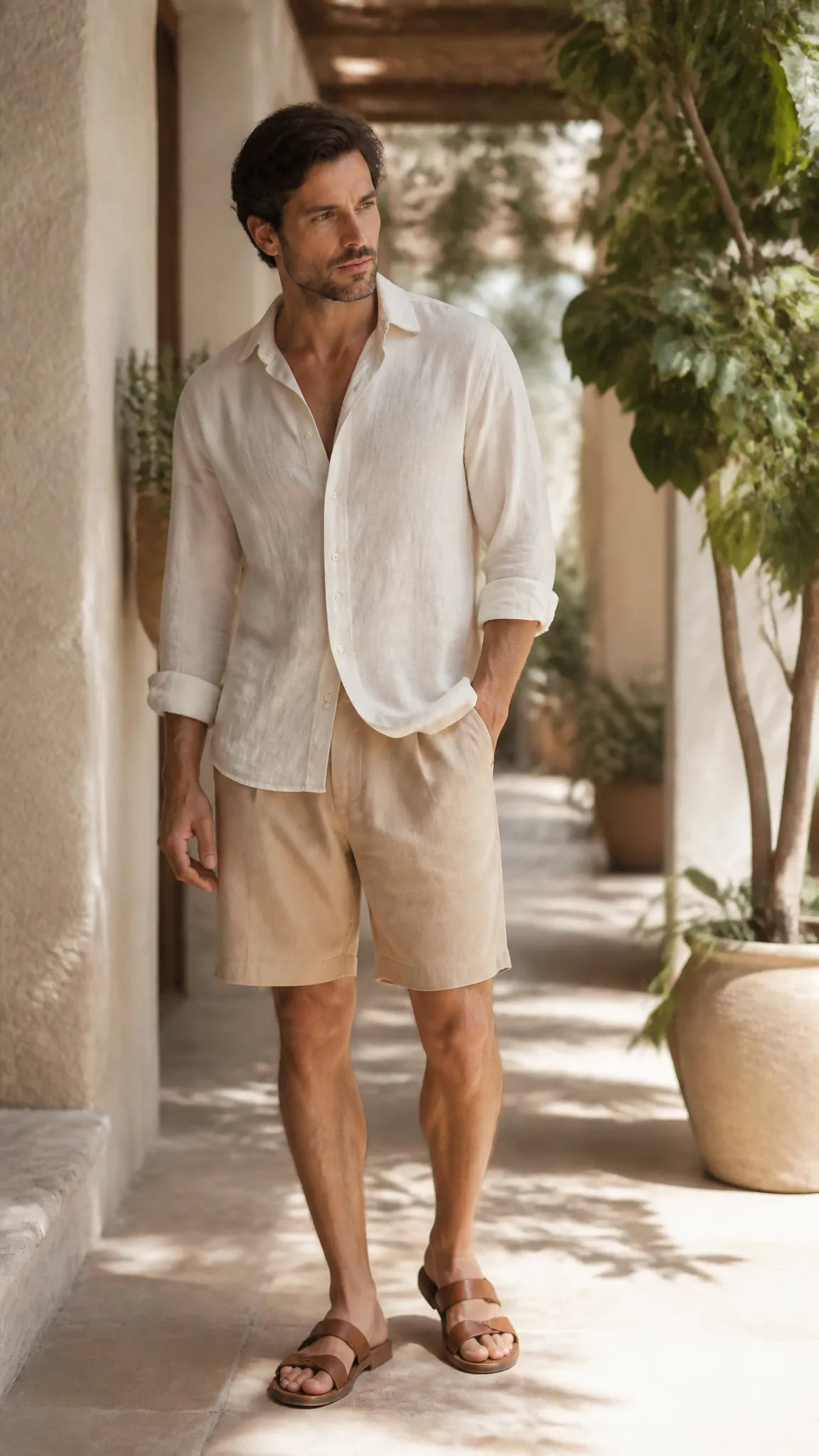
Hot-weather dressing in 2026 centers on airflow and texture. The change is not merely bigger shorts or looser shirts, but garments cut to stand slightly away from the body. That space helps with comfort and gives simple outfits more presence.
Open-collar shirts remain useful, particularly in linen, seersucker, cotton gauze, and breathable blends. Camp collars suit casual settings, while knitted polos provide more polish for dinners and relaxed offices. Choose open weaves carefully, since a fabric can look substantial on a hanger and unexpectedly sheer in direct sunlight.
Shorts continue to loosen through the thigh, with hems generally landing around the lower half of the thigh or near the knee. A mid-rise waistband and a clean, gently flared leg are easier to style than extremely tight or extremely long cuts. Pair them with a tucked tank and overshirt, a textured polo, or a crisp short-sleeve shirt.
For smarter occasions, an unlined suit in tobacco, sand, muted green, or deep navy offers an alternative to stiff business tailoring. A knit shirt or quality crewneck tee keeps it relaxed. Loafers, minimal leather sandals, and low-profile sneakers all work, depending on the dress code.
Among the most wearable seasonal menswear trends 2026, tonal summer dressing deserves particular attention. Combining cream, oatmeal, tan, and light brown creates depth without relying on loud patterns. The trick is to vary the materials, such as linen trousers, a knitted shirt, and suede shoes, so the outfit does not flatten into one beige block.
Fall Brings Texture Into Focus
Autumn is where the year’s relaxed silhouettes and tactile materials come together most naturally. Rather than piling on bulky garments immediately, build outfits from medium-weight pieces whose surfaces contrast with one another.
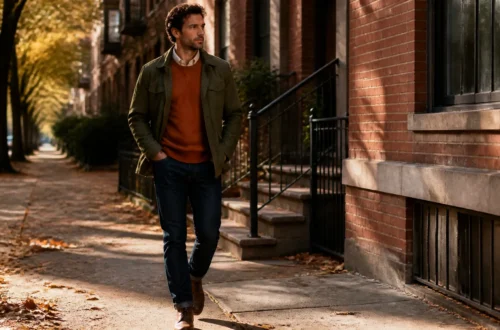
Brushed wool, corduroy, moleskin, suede, and waxed cotton bring warmth both visually and physically. A rust corduroy shirt jacket over a gray merino crewneck, for example, works because the ridged cotton and smooth knit remain distinct. Dark denim or brown wool trousers can complete the outfit without adding another competing texture.
Earth tones remain relevant, but they become deeper and slightly more complex. Moss, oxblood, espresso, tobacco, and aubergine pair easily with charcoal, faded black, and dark indigo. For a simpler wardrobe, choose one seasonal color and let familiar neutrals handle the rest.
Heritage patterns also return in quieter forms. Herringbone coats, subtle windowpane trousers, and small-scale checks add detail without dominating an outfit. Treat pattern as a supporting element: if the trousers are checked, keep the jacket solid and repeat one of the check’s colors elsewhere.
Winter Outerwear Balances Volume and Refinement

Winter makes generous proportions practical rather than merely fashionable. Longer coats protect more of the body, while roomy shells leave space for insulating layers. The key is matching volume to purpose and maintaining a clear shoulder line.
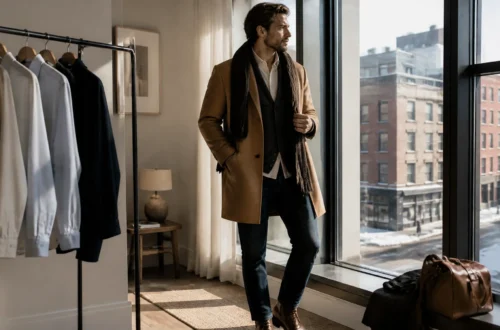
Full-length wool topcoats, belted overcoats, and pared-back parkas are strong options. A coat that reaches below the knee creates a long, clean shape over both tailoring and casual clothes. Shorter quilted jackets remain useful, but cleaner stitching and matte fabrics make them easier to wear beyond weekends.
Layering underneath should progress from thin to thick. A base layer, fine knit, and coat usually provide more mobility than one enormous sweater beneath tight outerwear. When temperatures demand additional insulation, a low-bulk vest can sit between the knit and coat without distorting the silhouette.
Winter accessories lean substantial but restrained. Ribbed beanies, wide wool scarves, leather gloves, and sturdy boots complement larger coats. Keeping accessories within a related color family, such as charcoal, black, and deep green, prevents the outfit from becoming visually crowded.
Footwear and Accessories Shift the Whole Outfit
Clothing may establish the silhouette, but footwear determines whether it reads as polished, rugged, or sporty. In 2026, slimmer shoes coexist with chunkier practical options, giving you more freedom to match the shoe to the trouser rather than chasing one dominant shape.
Low-profile sneakers and streamlined loafers work well with straight or gently wide trousers because they keep the lower half from feeling heavy. Wider pants should nearly meet the shoe, with little or no stacking. Cropped trousers can expose the ankle, but an excessively short hem may make a broad leg look awkwardly suspended.
For fall and winter, rounded derbies, moc-toe shoes, and sturdy boots provide enough visual weight beneath heavier fabrics. Brown suede softens tailoring, while polished black leather sharpens denim and wool. This contrast is often more interesting than matching every garment’s formality exactly.
Accessories continue the practical theme. Soft leather totes, compact crossbody bags, understated silver jewelry, patterned neckerchiefs, and textured belts can update familiar basics. Select one or two focal points rather than wearing every accessory at once. Editing is part of styling.
How to Adopt Trends Without Rebuilding Your Wardrobe
The smartest way to approach seasonal menswear trends 2026 is to identify what your existing closet lacks. A new silhouette may solve more outfits than a fashionable color, while one textured layer might make basic jeans and knitwear feel current again.
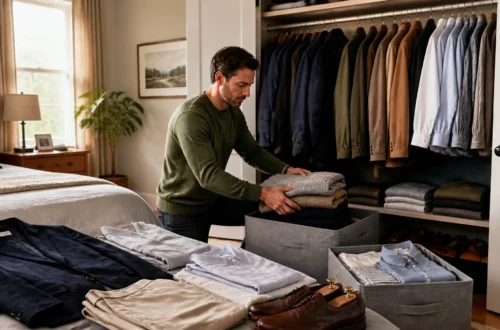
Start with a wardrobe audit based on actual use. Check which pants work with your shoes, whether your outerwear can accommodate layers, and which colors already repeat across your closet. Then choose additions that connect at least three existing pieces.
A practical seasonal update might include the following:
- One relaxed trouser in a versatile neutral
- One textured shirt, polo, or midweight knit
- One weather-appropriate outer layer with room underneath
- One shoe whose shape balances your preferred pants
- One accessory that introduces color or texture
Fit adjustments can also modernize what you own. Letting out a trouser hem, shortening a boxy jacket sleeve, or refining the waist of an overcoat may improve proportion without changing the garment’s character. Not every alteration is possible, so ask a tailor to assess seam allowance and construction first.
Finally, account for your climate and routine. A heavy wool coat has limited value in South Florida, just as delicate loafers may not suit a snowy commute. A trend earns its place when it supports your real life, not an imaginary schedule filled entirely with gallery openings.
Frequently Asked Questions
Are skinny jeans out of style for men in 2026?
Roomier straight and relaxed fits are more aligned with the prevailing silhouette, but slim jeans can still work. Choose a fit that follows the leg without gripping it tightly, then pair it with a jacket or shirt that has moderate structure rather than extreme volume.
Which menswear colors are easiest to add in 2026?
Sage, warm stone, tobacco, dusty blue, and espresso are especially adaptable because they coordinate with navy, gray, white, denim, and brown. Start with a shirt, knit, or accessory if you are unsure about committing to colored trousers or outerwear.
Can these trends work in a business-casual office?
Yes, if you emphasize clean fabrics and controlled proportions. Pleated trousers, knit polos, soft blazers, suede loafers, and unlined coats can feel current while respecting a business-casual dress code. Save sheer fabrics, casual sandals, and very oversized shapes for less formal settings.
How should shorter men wear wide-leg trousers?
Choose a mid-to-high rise, keep the waist fitted, and avoid excessive fabric pooling over the shoes. A shorter jacket or tucked top can clarify the waist and lengthen the visible leg line. Width itself is not the problem; uncontrolled length and volume usually are.
Which 2026 trend offers the best value?
A relaxed neutral trouser is one of the most versatile purchases because it changes the proportion of shirts, knits, jackets, and shoes you already own. Pick a durable fabric suited to your climate, and prioritize a clean fit at the waist and hem.
Build the Year Around Better Proportions
The lasting message of 2026 menswear is not that every garment must become bigger or brighter. It is that thoughtful proportion, tactile fabric, and seasonally appropriate layering can make familiar clothes look considered again.
Begin with one gap in your wardrobe, whether that is an airy summer shirt, a relaxed trouser, or a winter coat that actually fits over knitwear. Make that piece coordinate with what you own, and the trend becomes part of your style rather than a short-lived costume.