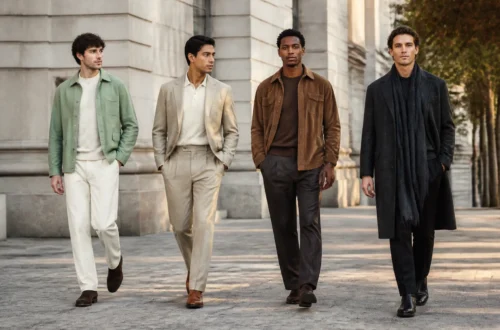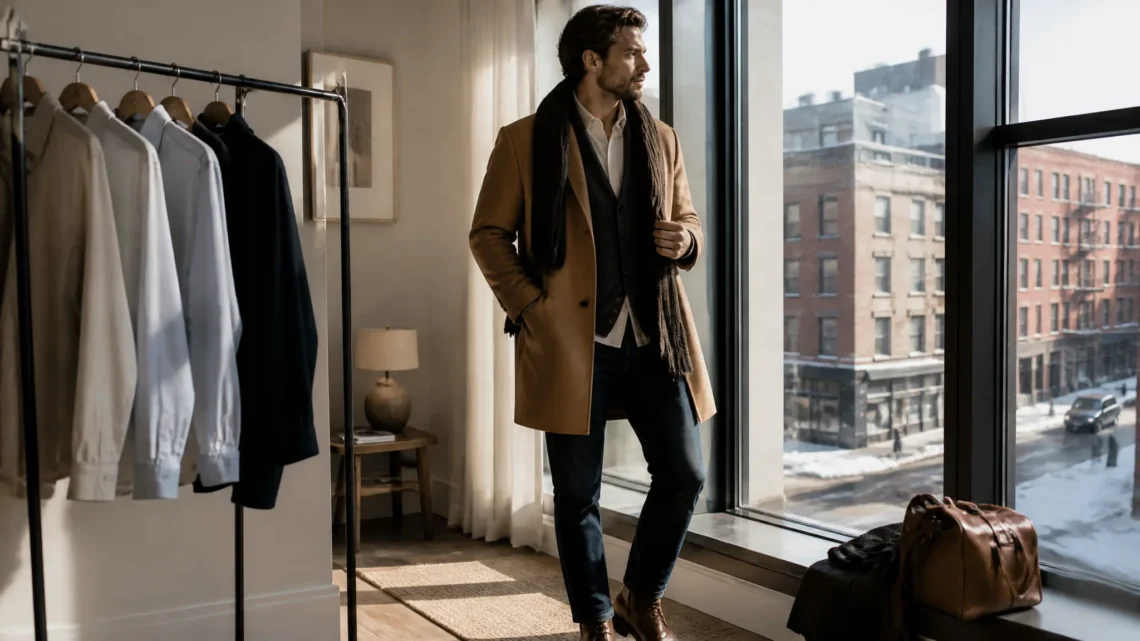
When cold weather arrives, lightweight shirts, short-sleeve knits, and relaxed trousers often disappear into storage long before they need to. Learning how to wear summer clothes in winter men already own can stretch a wardrobe without producing outfits that look seasonally confused.
The key is to add warmth around summer pieces, balance their visual weight, and reserve genuinely flimsy garments for better weather. Here is how to make those decisions while keeping comfort and proportion intact.
How to Wear Summer Clothes in Winter: Men’s Layering Basics

Winterizing a summer wardrobe starts with a useful distinction: a garment can look summery without being impractical in cold weather. Color, cut, and styling affect seasonal appearance, while fabric and construction determine how much warmth a piece provides.
A pale blue Oxford shirt, for example, works year-round because its woven cotton has enough structure to sit under knitwear. A paper-thin linen camp shirt is more difficult, but it can still function as an indoor layer beneath a cardigan or overshirt. The summer piece should not carry the outfit’s insulation burden.
Build warmth underneath, over the top, or both. A close-fitting merino or thermal base layer traps heat without adding much bulk. Over it, summer shirts and lightweight knits retain their familiar shape, while a wool sweater, chore jacket, insulated vest, or coat supplies protection from the weather.
Keep each layer slightly roomier than the one beneath it. A fitted base layer can sit under a regular-fit shirt, followed by a relaxed sweater or jacket. If every layer fits closely, the result feels restrictive; if they are all oversized, the outfit loses definition.
Choose Summer Pieces That Can Handle Cold-Weather Styling
Not every warm-weather garment deserves a winter assignment. The easiest pieces to carry forward have enough coverage, structure, or visual substance to coexist with wool, leather, corduroy, and other cold-season materials.
Shirts and tops with layering potential
Cotton T-shirts are dependable base layers under flannel shirts, cardigans, and crewneck sweaters. Long-sleeve linen shirts also work surprisingly well indoors because linen breathes when heating systems run warm, although they need an insulating layer outdoors.
Polo shirts can replace dress shirts under casual tailoring. Choose a polo with a firm collar and a trim but comfortable fit, then add a textured blazer or cardigan. Camp-collar shirts are trickier because their open neck exposes skin, so wear them over a crewneck tee rather than forcing them under formal knitwear.
Trousers that transition well
Lightweight chinos, drawstring trousers, and cotton-linen pants can remain useful on mild winter days. Their color matters less than their opacity and drape. If strong light reveals pockets or undergarments through the fabric, the trousers will look and feel too thin for winter.
Shorts, sheer resort shirts, swimwear, and very open-weave garments generally belong in storage unless they serve a specific indoor or travel purpose. Extending a wardrobe should make dressing easier, not turn every outfit into a technical experiment.
Balance Light Fabrics With Winter Texture and Color

Once warmth is handled, visual balance keeps summer clothing from looking misplaced. Lightweight fabrics appear more intentional in winter when paired with materials that have a richer surface, such as brushed wool, suede, denim, corduroy, leather, or a substantial knit.
A white linen shirt can sit beneath a charcoal cardigan and dark indigo jeans. Stone chinos gain seasonal weight beside a navy cable-knit sweater and brown suede boots. A pastel T-shirt feels grounded under an olive overshirt with gray flannel trousers.
You do not have to abandon light colors. Cream, ecru, pale blue, sage, and dusty pink can brighten a winter outfit, particularly when surrounded by deeper neutrals. Use dark or textured outer layers as a frame rather than trying to make every garment look wintry.
Contrast should be deliberate but not abrupt. Very thin white pants paired with a massive black parka can look top-heavy because the fabrics and colors pull in opposite directions. A medium-gray sweater, taupe coat, or dark brown footwear can create a smoother transition between them.
Build Complete Outfits Around One Summer Garment
A reliable way to wear summer clothes in winter men can use across casual and smart-casual settings is to choose one warm-weather piece as the focal point. Then let seasonally appropriate garments handle the rest of the outfit. This prevents multiple thin pieces from competing with winter’s practical demands.
For a casual day, begin with a favorite graphic or solid T-shirt. Add a flannel shirt or wool overshirt, straight-leg jeans, thick socks, and weather-appropriate boots or sneakers. A coat can go over the entire combination when temperatures drop.
For an office with a business-casual dress code, wear a lightweight cotton or linen-blend button-down beneath a merino crewneck. Pair it with wool trousers and leather derbies. Only the collar and hem need to show, so the shirt contributes color and polish without defining the outfit’s warmth.
Summer trousers call for particular attention to proportion. Relaxed cotton-linen pants look coherent with a hip-length jacket, textured sweater, and sturdy footwear. Very wide trousers can support a longer coat, while tapered pants usually look cleaner with a shorter jacket that does not overwhelm the legs.
For dinner or an indoor event, try a knit polo under an unstructured wool blazer with dark trousers. This combination preserves the open, relaxed quality of summer tailoring while adding enough texture for the season. In a highly formal workplace or at a conservative event, a conventional dress shirt remains the safer choice.
Use Footwear and Accessories to Anchor the Outfit
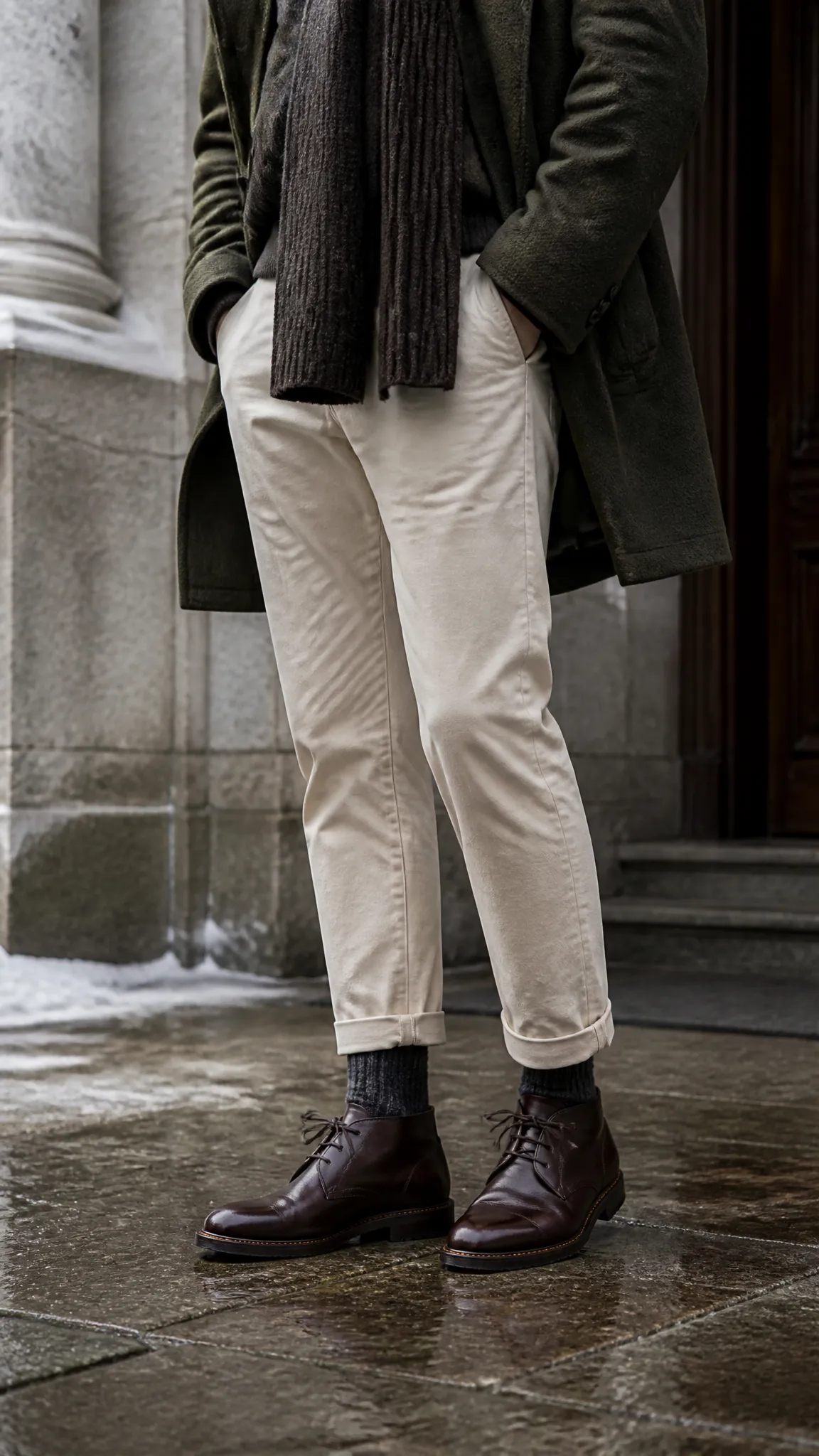
Shoes influence seasonal perception more than many people expect. Sandals and canvas slip-ons immediately suggest hot weather, while leather boots, suede chukkas, lug-soled derbies, and substantial sneakers make lightweight trousers or shirts feel appropriate for colder months.
The footwear should also suit actual conditions. Suede can work in dry cold but needs protection from moisture; smooth leather is usually easier to clean after slush or light rain. If sidewalks are icy or wet, prioritize traction over a perfectly streamlined silhouette.
Socks create both warmth and continuity. Wool or wool-blend socks fill the gap between cropped trousers and shoes, preventing bare ankles from undermining comfort. Match them loosely to the trousers or shoes rather than reaching automatically for a sharp contrast.
Scarves, beanies, gloves, and belts offer smaller opportunities to add winter texture. A ribbed wool scarf can connect a linen shirt to a heavy coat, while a dark leather belt helps pale chinos relate to sturdy boots. Use accessories to support the outfit, not to bury a summer shirt beneath every cold-weather item in the closet.
Protect Delicate Fabrics From Winter Wear
Winter styling places unfamiliar stress on summer garments. Rough knits may rub against linen, coat linings can trap perspiration, and dark denim or leather may transfer dye onto pale cotton. A few care habits can extend the garments’ lives along with their wearing season.
Check care labels before layering delicate shirts beneath coarse wool. A smooth undershirt can reduce friction and absorb perspiration, while a lined jacket prevents direct contact with scratchier fabrics. Avoid pairing new, dark garments with white or cream pieces until you know the dye is stable.
After wearing, air garments before returning them to the closet. Wash them according to the label rather than after every brief use, since excessive laundering can weaken fibers and fade color. Treat salt, mud, and food marks promptly, especially on pale trousers.
When severe weather arrives, accept the garment’s limits. Lightweight cotton and linen do not block wind, and wet fabric loses comfort quickly. Winterizing summer clothes works best for heated indoor spaces, transitional weather, and outfits protected by proper outerwear, not as a substitute for a coat.
Frequently Asked Questions
Can men wear linen during winter?
Yes. Linen shirts and trousers can work in heated indoor settings or mild climates when layered with insulating fabrics. Choose opaque linen or linen blends, and pair them with wool knitwear, structured jackets, and closed-toe footwear.
How do you layer over a summer shirt without wrinkling it?
Start with a shirt that fits smoothly through the shoulders and torso, then add a sweater or jacket with enough room in the sleeves. Smooth the shirt cuffs and body before pulling on the next layer, and favor fine-gauge knits or lined jackets over rough, tight outer layers.
Can white pants be worn in winter?
White, cream, and ecru pants can look appropriate in winter when the fabric is opaque and the rest of the outfit has seasonal weight. Pair them with darker knitwear, a wool coat, and brown, burgundy, or black footwear rather than sandals or other warm-weather shoes.
What should stay in storage until summer?
Store pieces that cannot provide coverage or layer comfortably, including swim trunks, sheer shirts, fragile open-weave garments, and most sandals. Keeping them out of rotation also protects them from unnecessary wear.
Does layering summer clothing make it suitable for freezing weather?
Only if the full outfit includes effective insulation and weather protection. A summer shirt can serve as an interior layer, but freezing temperatures still call for a warm base layer, insulating midlayer, protective coat, suitable footwear, and cold-weather accessories.
Give the Closet a Second Season
To wear summer clothes in winter, men do not need to disguise every lightweight garment as cold-weather clothing. They need to choose adaptable pieces, surround them with warmth and texture, and respect the limits imposed by wind, moisture, and temperature.
Start with one summer shirt or pair of trousers, add a close base layer and a substantial outer layer, then finish with winter-ready shoes. If the outfit feels balanced and keeps you comfortable from the doorway to your destination, that garment has earned a longer season.