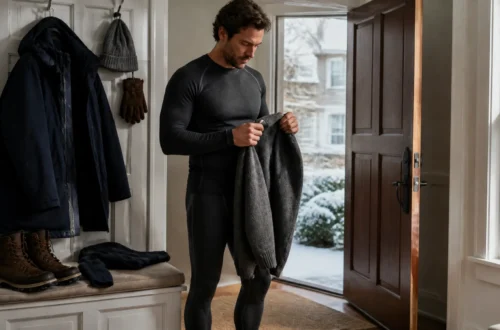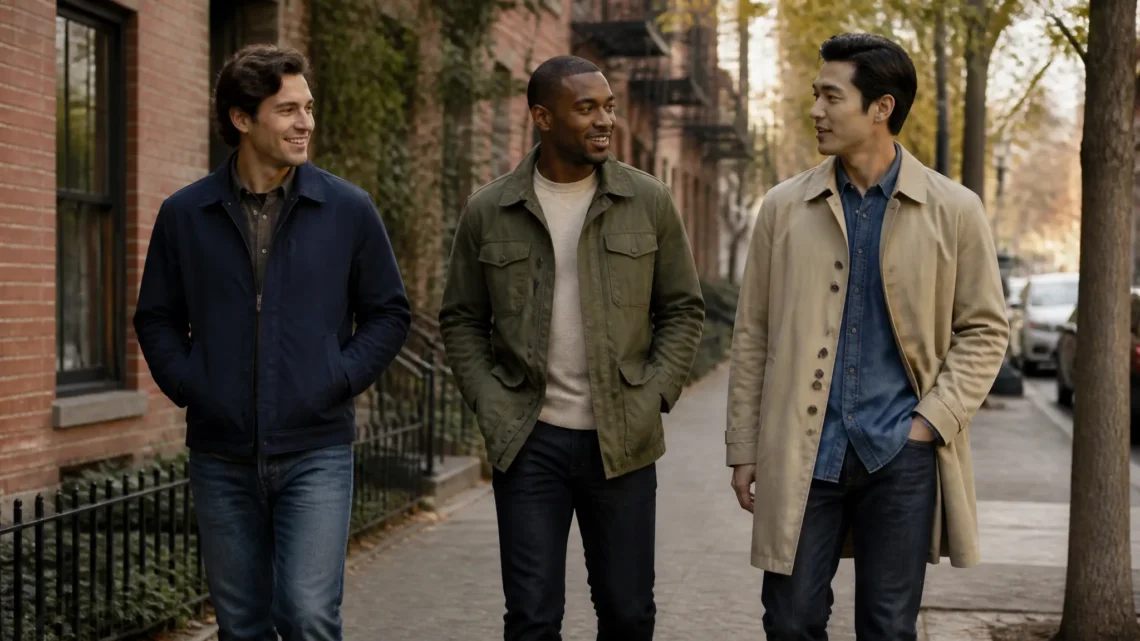
Getting dressed between seasons can mean a chilly morning, a warm afternoon, and light rain on the same day. The best transitional jackets men can rely on handle those shifts without adding unnecessary bulk.
This list compares nine useful styles by weather protection, versatility, and ease of layering, so you can choose one that suits your climate and wardrobe. Keep scrolling to find the right outer layer for unpredictable spring and fall days.
1. Harrington Jacket
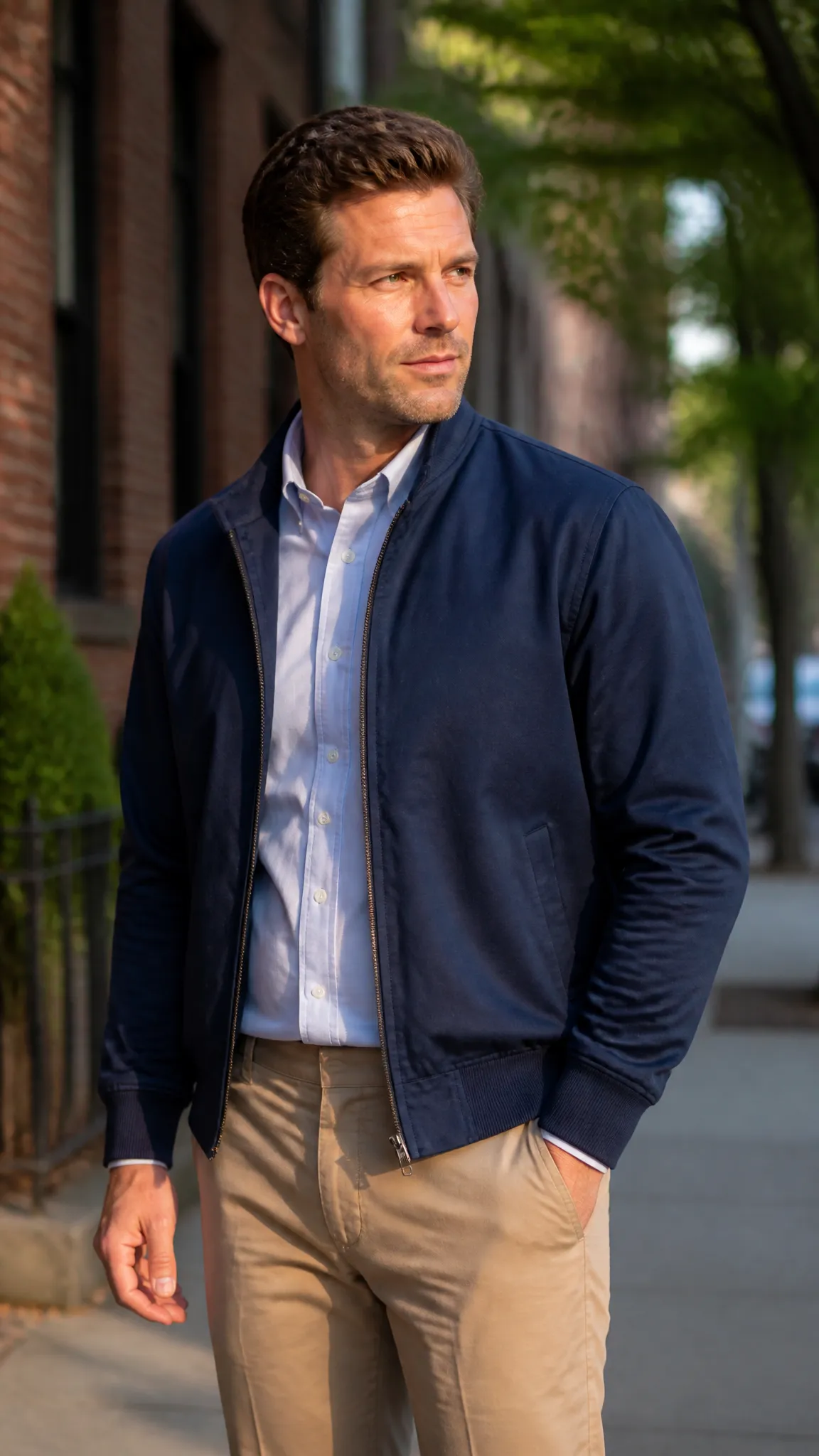
A Harrington is one of the best transitional jackets men can choose for everyday wear because its short, clean silhouette works with both casual and smart-casual clothes. The ribbed cuffs and hem help keep cool air out, while the lightweight construction remains comfortable when temperatures rise later in the day.
- Weather: Best for mild, breezy days; a water-resistant shell can manage a brief drizzle.
- Layering: Fits naturally over a T-shirt, polo, Oxford shirt, or thin crewneck sweater.
- Versatility: Pairs easily with jeans and sneakers, chinos and loafers, or tailored trousers and minimal leather shoes.
Choose navy, tan, olive, or dark brown for maximum mileage. Check that the waistband sits close to your body without riding up, and leave enough space through the chest to zip the jacket over a light knit.
2. Unlined Chore Coat
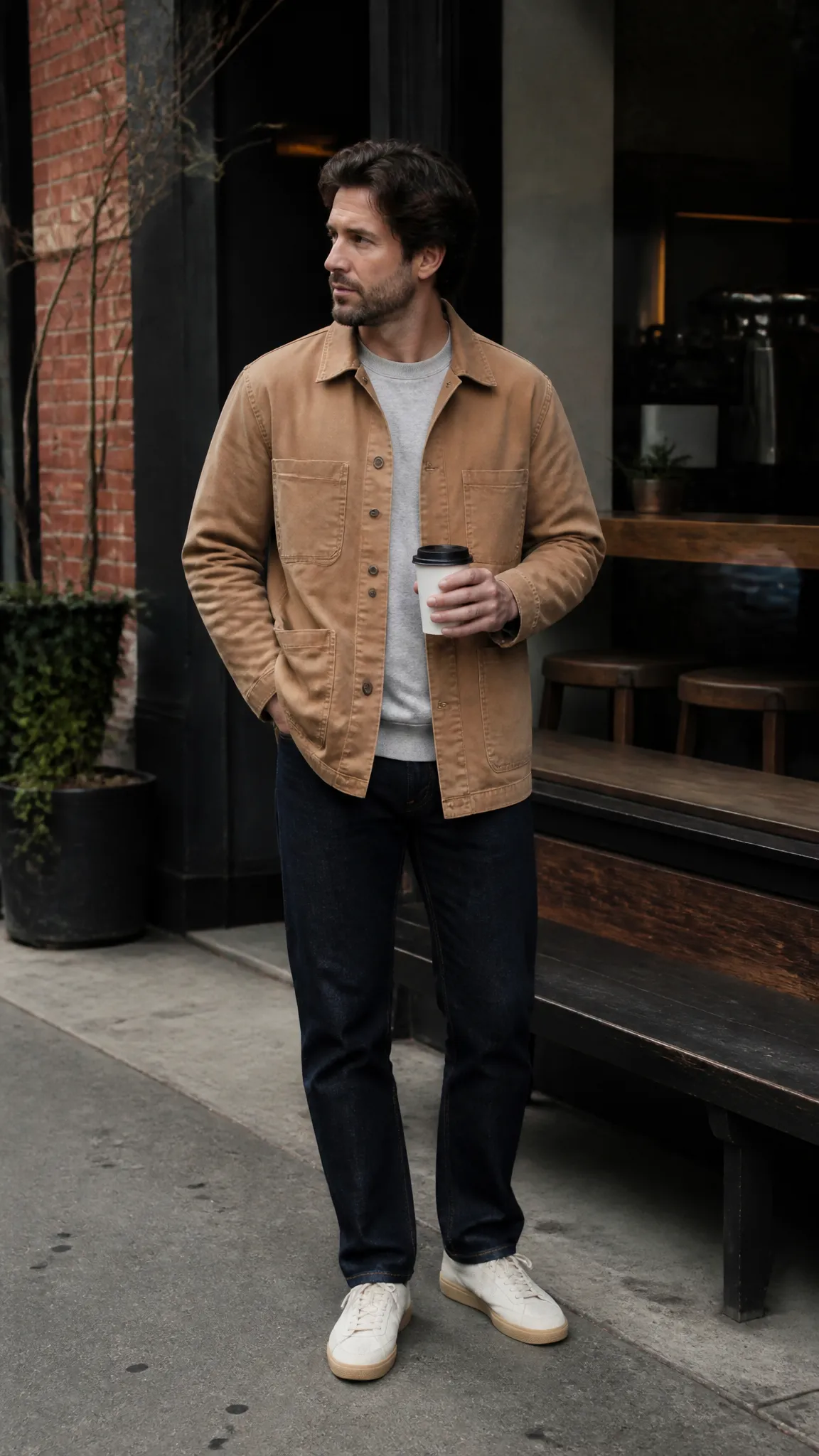
The chore coat gives you functional pockets and a relaxed shape without looking like technical outdoor gear. Traditionally made from sturdy cotton, canvas, or twill, it becomes an especially useful spring jacket when unlined or only lightly lined.
- Weather: Comfortable in dry, moderate conditions, though untreated cotton offers limited rain protection.
- Layering: Its straight cut accommodates sweatshirts, flannel shirts, and textured sweaters better than close-fitting jackets do.
- Versatility: Works particularly well with denim, fatigue pants, cords, work boots, and simple sneakers.
Look for substantial fabric with a soft hand rather than rigid, heavy canvas. A hem around the upper thigh provides useful coverage while preserving the casual proportions that make this style easy to wear.
3. Field Jacket
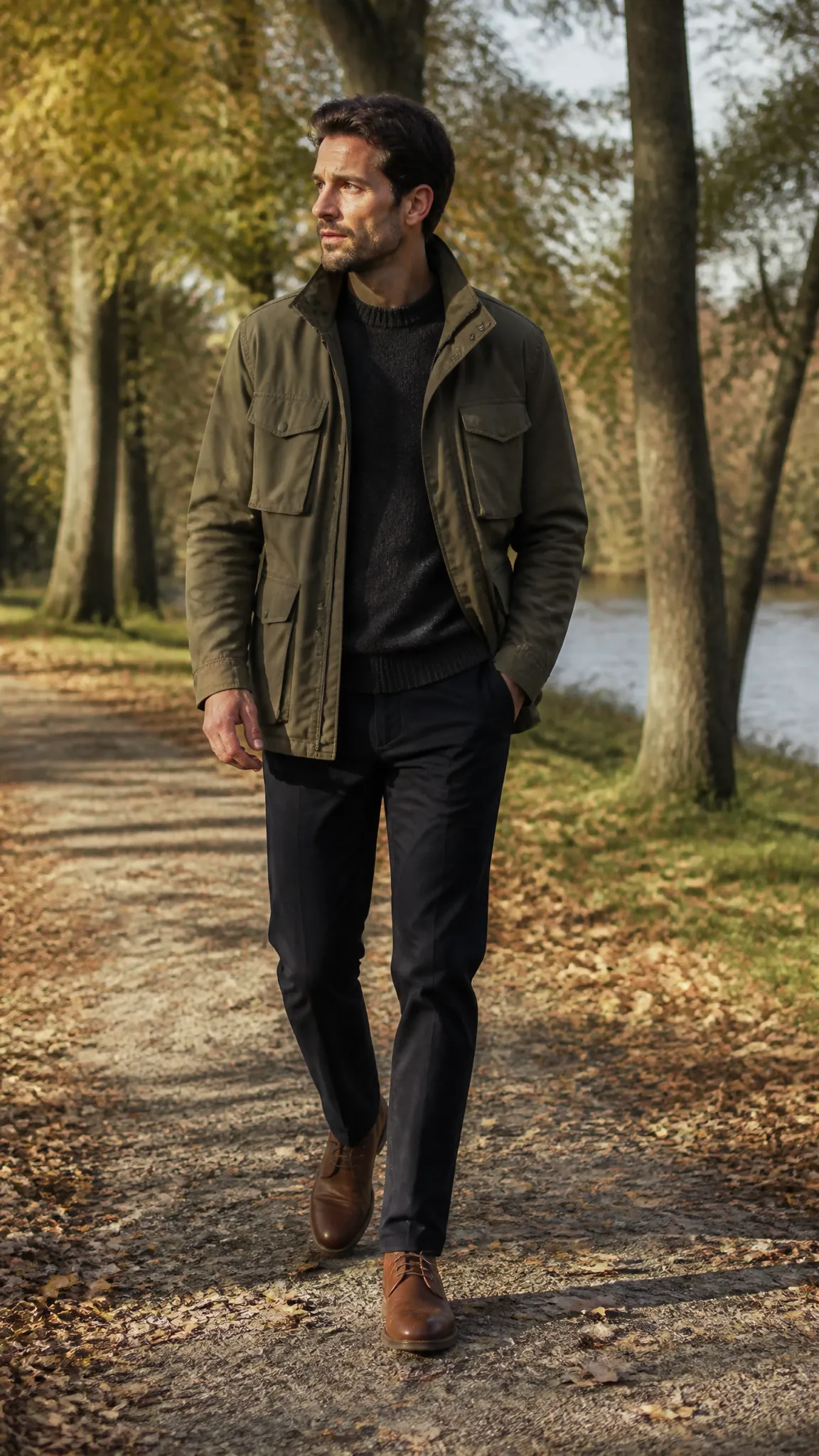
A field jacket provides more storage and coverage than most short jackets, usually with several front pockets and a hip-length cut. Its practical design suits travel, weekend errands, and cool days when you want room for an extra layer.
- Weather: Handles wind and light precipitation well when made from densely woven cotton or a cotton-nylon blend.
- Layering: The roomy torso can fit a sweater, hoodie, or insulated vest without restricting movement.
- Versatility: Olive is the familiar choice, but navy, taupe, and charcoal can look more understated in a city wardrobe.
Keep the rest of your outfit simple because the patch pockets already create visual detail. A plain shirt, straight-leg trousers, and unfussy footwear prevent the look from feeling too tactical.
4. Lightweight Bomber Jacket
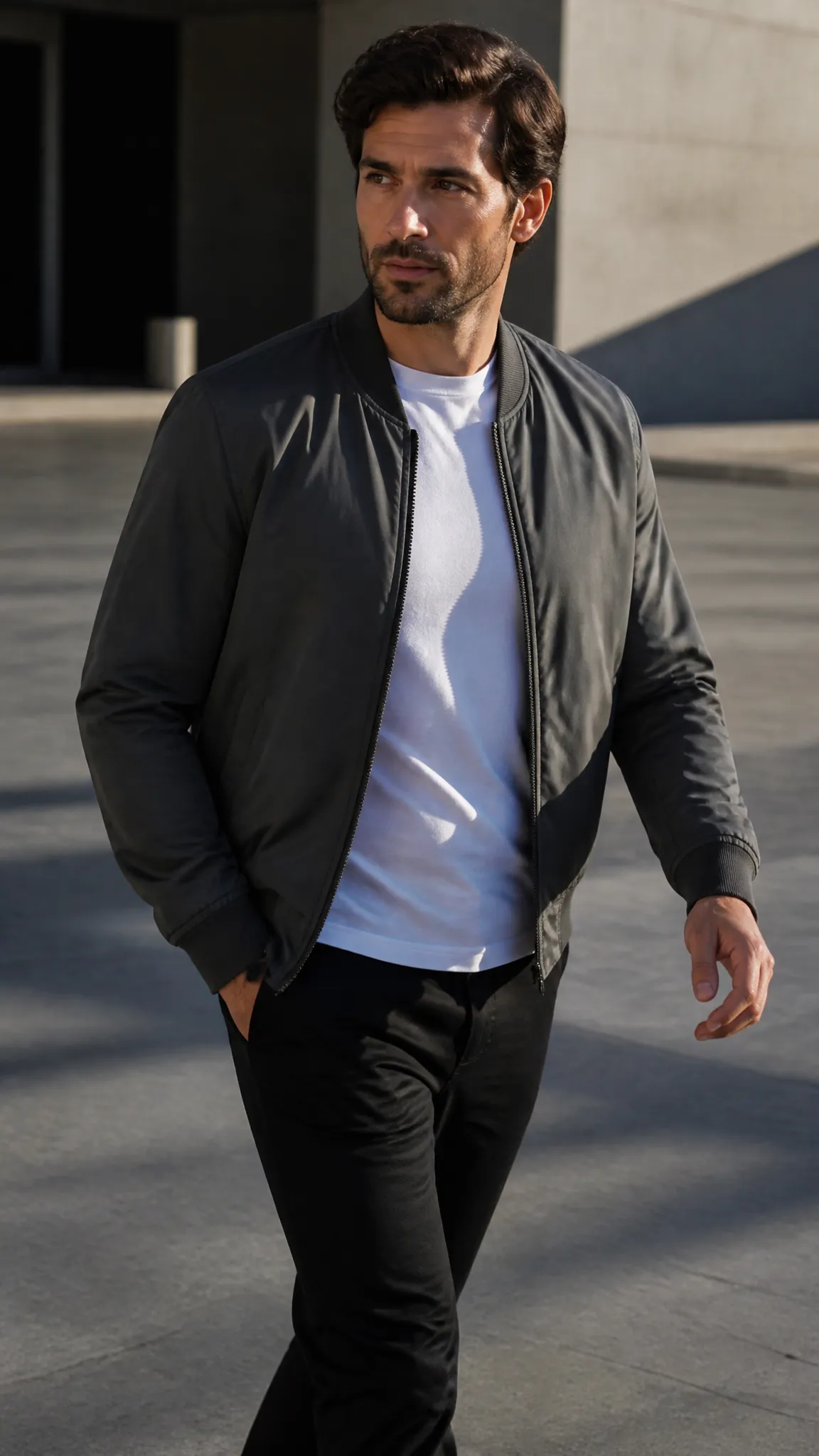
A lightweight bomber offers the compact proportions of a Harrington with a sportier attitude. Nylon and polyester shells tend to block wind effectively, while cotton versions feel softer and less technical in dry weather.
- Weather: Useful for breezy commutes and cool evenings; performance depends on the shell and whether it has insulation.
- Layering: Best over streamlined pieces such as T-shirts, fine-gauge knits, and fitted sweatshirts.
- Versatility: Complements jeans, chinos, joggers, and casual trousers, but usually looks out of place over formal tailoring.
Avoid excessive padding if you need a true shoulder-season jacket. Matte fabric, minimal hardware, and a restrained collar create a cleaner option that won’t make every outfit look overtly athletic.
5. Waxed Cotton Jacket
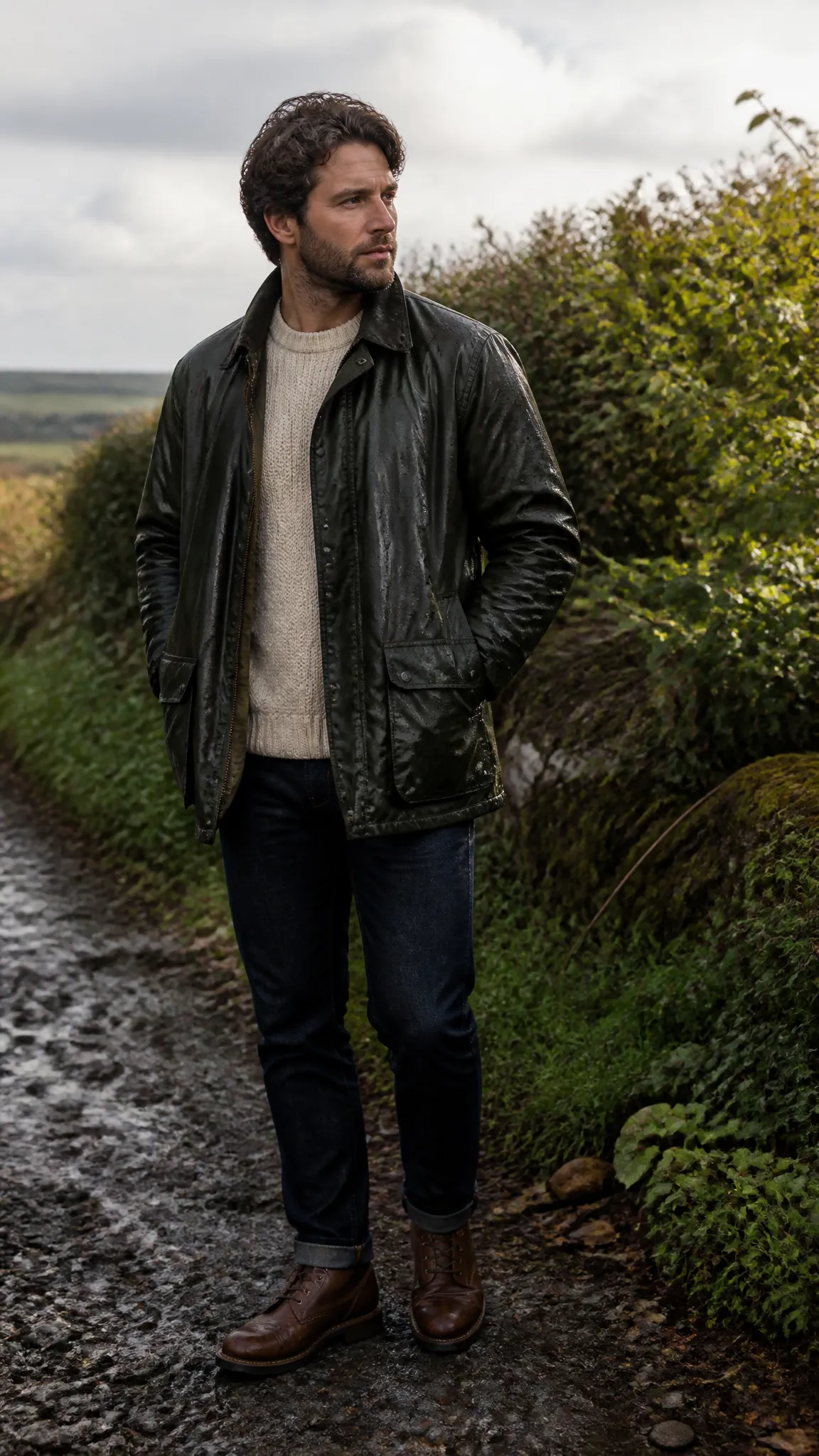
Waxed cotton is a strong choice for damp, windy conditions because the treated fabric sheds light rain while developing character through wear. Compared with a synthetic rain shell, it has a more traditional texture that sits comfortably alongside denim, flannel, wool, and leather.
- Weather: Offers dependable resistance to wind and showers, though it isn’t a substitute for a fully waterproof shell in sustained rain.
- Layering: A regular cut allows space for a sweater or light vest as fall temperatures drop.
- Versatility: Fits naturally into rugged casual wardrobes and can also sharpen a simple combination of chinos and an Oxford shirt.
Remember that waxed fabric requires occasional care according to its manufacturer’s instructions. Don’t wash or treat it like ordinary cotton, and choose an uninsulated or lightly lined version if you want to wear it across more months.
6. Denim Trucker Jacket
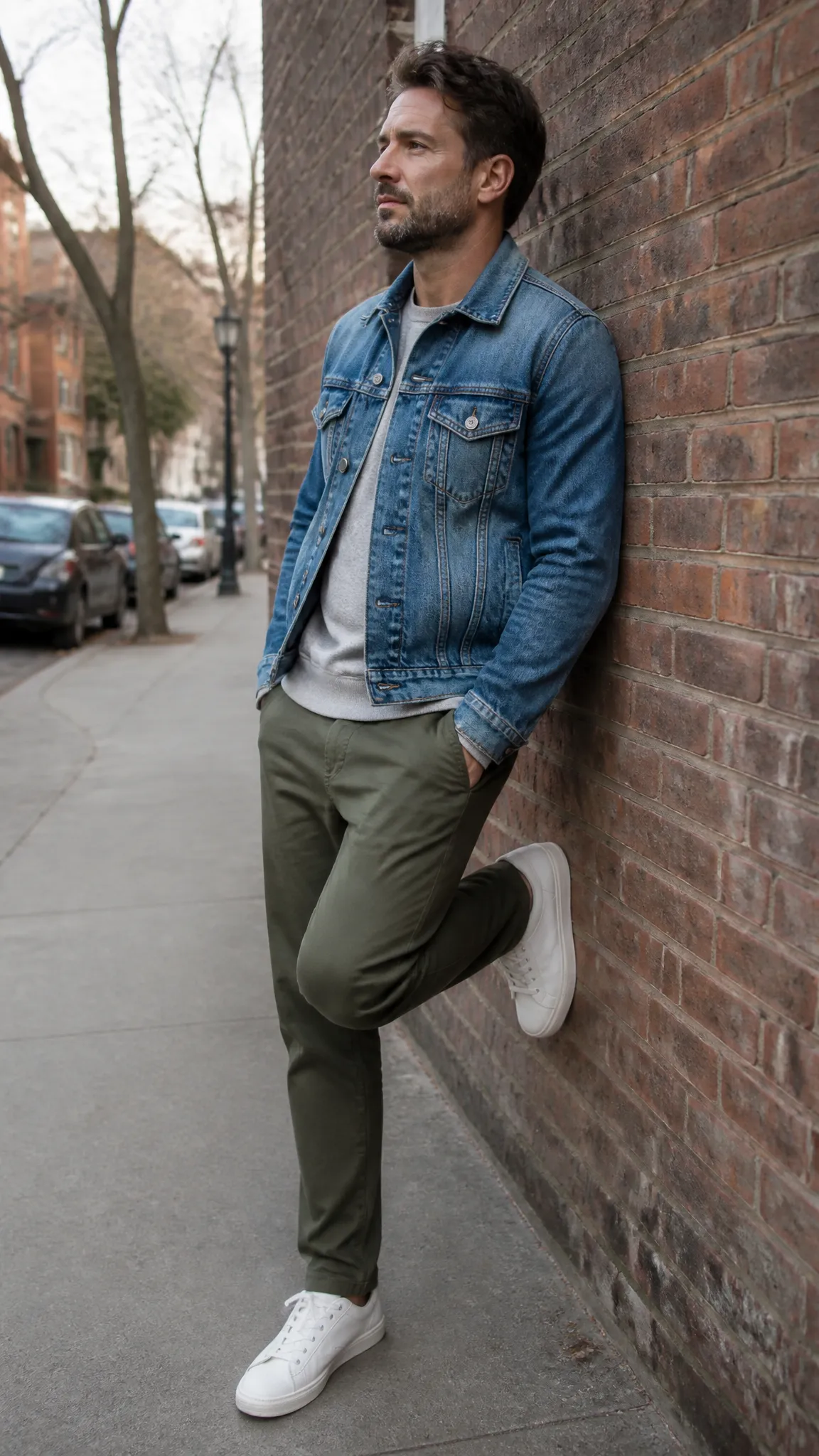
The denim trucker is durable, familiar, and easy to combine with casual basics. Its cropped body also makes it a useful middle layer beneath a roomier coat when early spring or late fall turns colder.
- Weather: Appropriate for dry, cool weather but poor at blocking prolonged rain or strong wind.
- Layering: Wear it over a tee or sweatshirt, or under a topcoat if the armholes and sleeves allow comfortable movement.
- Versatility: Blue denim brings contrast to khakis and olive pants, while black or ecru versions offer less traditional combinations.
If you wear jeans with it, create clear contrast between the two denim washes unless you deliberately want a matching set. The shoulder seams should sit close to your shoulders, but the jacket still needs enough chest room to button without pulling.
7. Suede Jacket
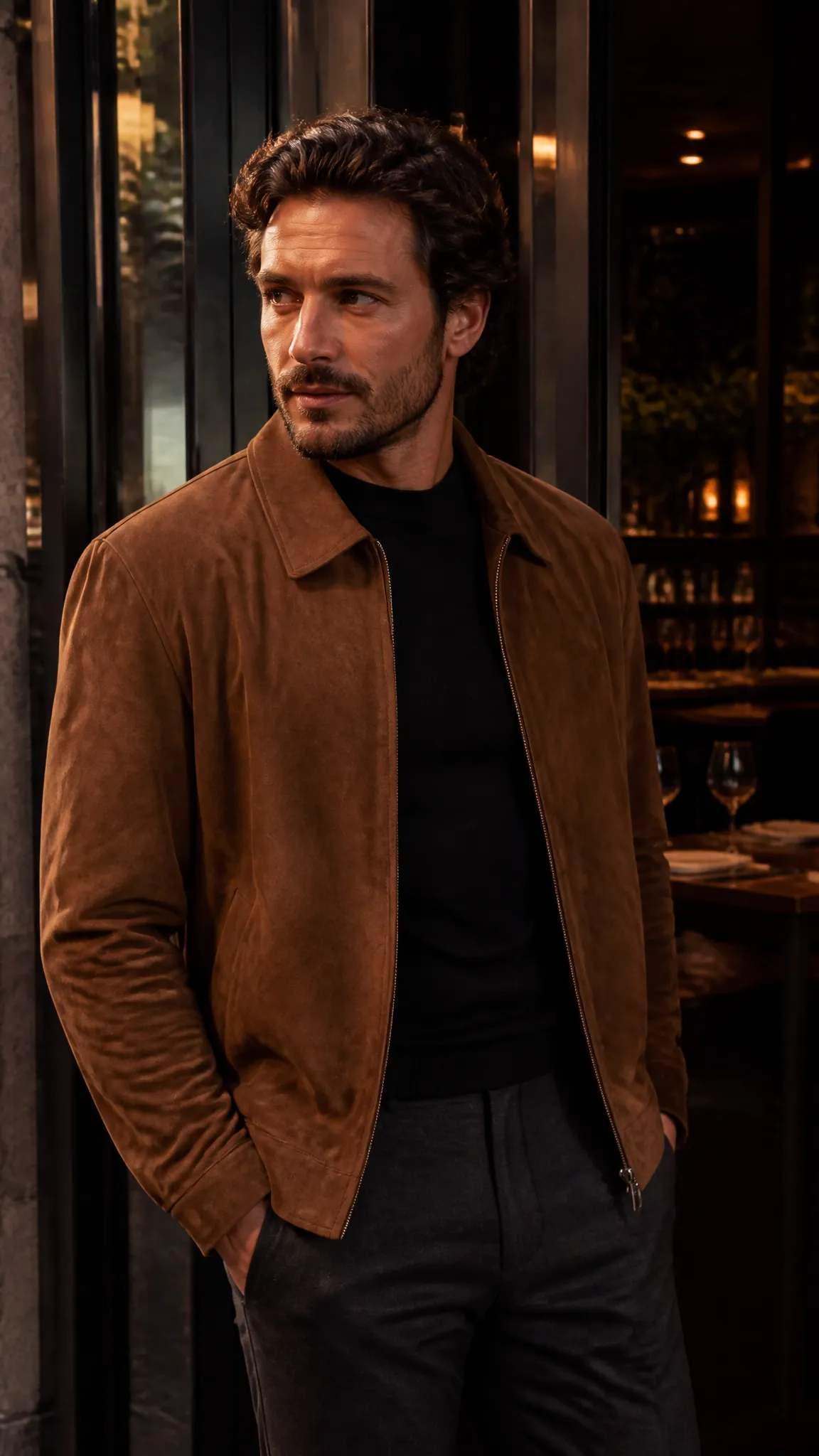
A suede jacket adds rich texture without the weight or shine associated with some smooth leather jackets. In a simple bomber, blouson, or shirt-jacket shape, it can bridge casual outfits and dressed-up evening looks particularly well.
- Weather: Best reserved for dry forecasts because moisture can stain or alter the nap.
- Layering: Works over lightweight shirts and knitwear; bulky layers may distort its clean drape.
- Versatility: Tobacco, chocolate, navy, and taupe coordinate well with denim, gray trousers, and earth-tone chinos.
Prioritize fit and care because suede is less forgiving than washable cotton. Use a suitable brush and protector only as directed, store the jacket on a supportive hanger, and give it enough closet space to avoid crushing the surface.
8. Packable Rain Shell
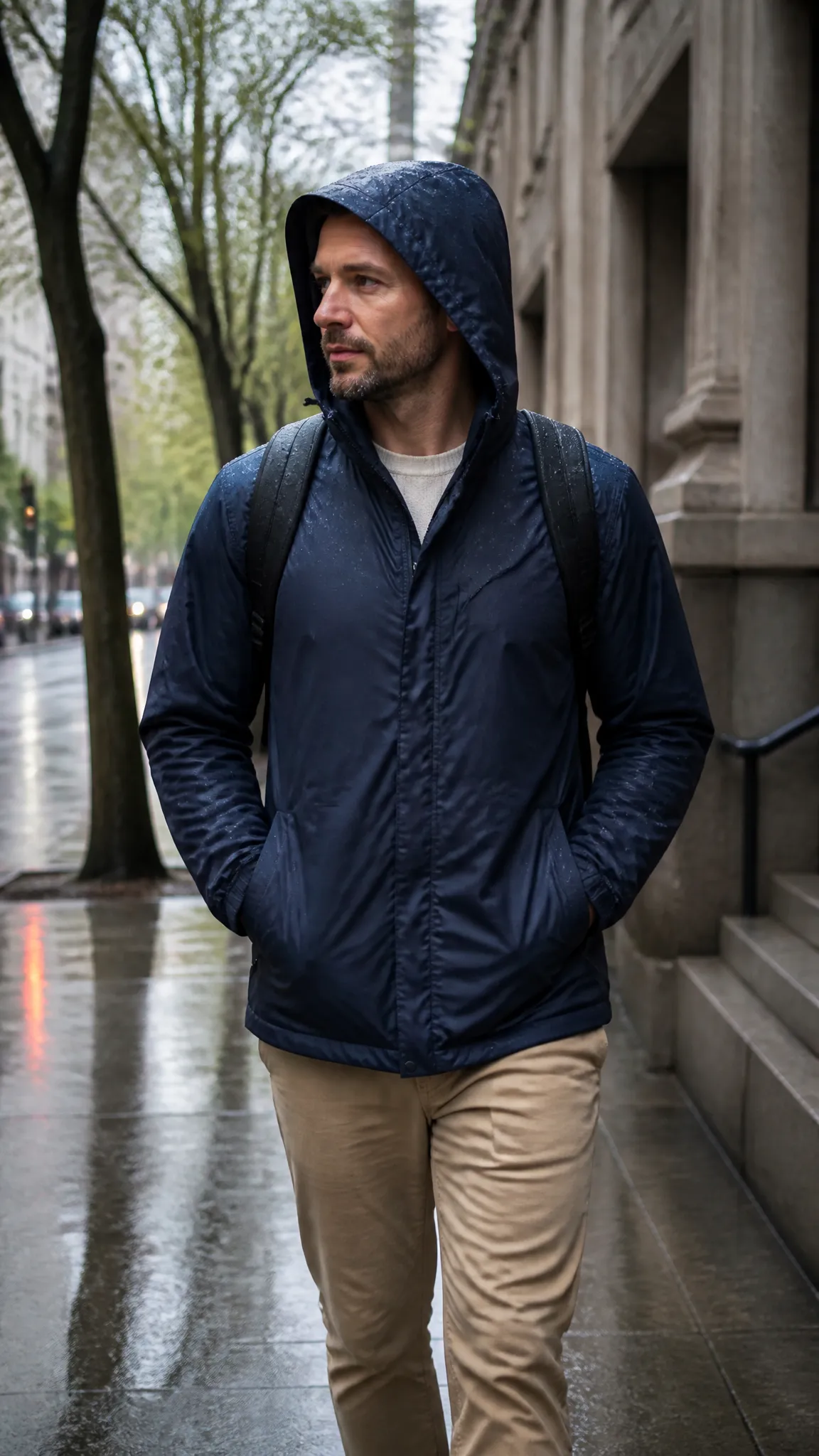
A packable rain shell is the practical answer to forecasts that can’t make up their mind. It’s among the best transitional jackets men can carry for commuting or travel because it offers weather protection while taking up relatively little room when not in use.
- Weather: Choose a waterproof shell with sealed seams for sustained rain; water-resistant models are intended for lighter exposure.
- Layering: Size it to fit over your typical midlayer without creating excess fabric when worn over a shirt alone.
- Versatility: Neutral colors and restrained details make technical outerwear easier to combine with everyday clothes.
Pay attention to ventilation as well as waterproofing. Underarm openings, breathable materials, and adjustable cuffs can reduce clamminess, while a well-shaped hood protects better without blocking your peripheral vision.
9. Lightweight Mac Coat
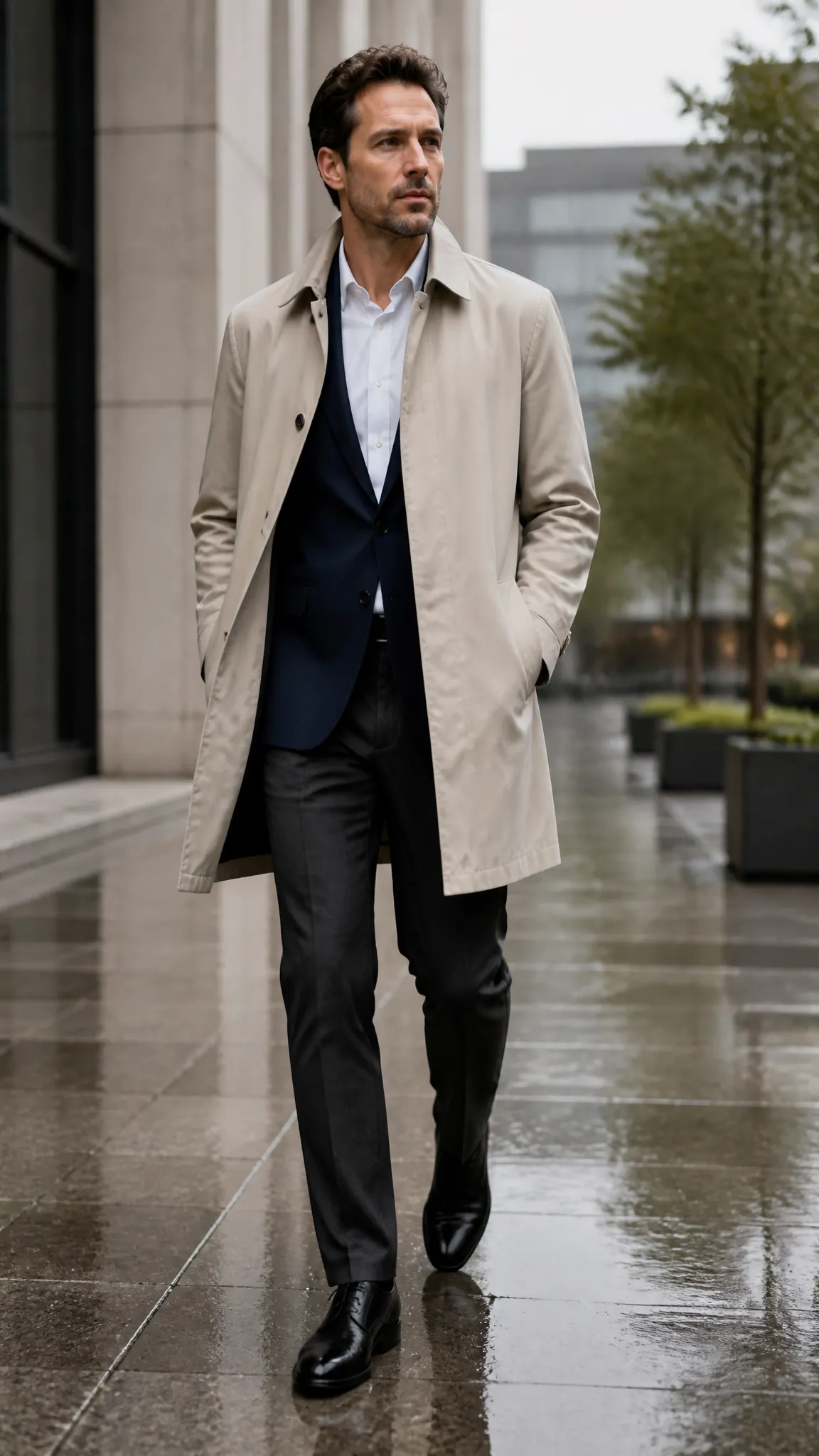
A lightweight mac provides greater rain coverage and a more polished profile than a cropped jacket. Its simple front and minimal detailing make it a natural companion to office clothing, yet it can also bring structure to jeans and a sweatshirt.
- Weather: The longer hem helps protect your upper legs from wind and showers, with performance determined by the fabric and seam construction.
- Layering: It should fit comfortably over a blazer or sweater without tightness across the shoulders.
- Versatility: Navy, stone, and dark olive move easily between weekday commutes, dinners, and weekend travel.
Try the coat with the thickest layer you expect to wear underneath it. Sleeves should cover your shirt cuffs, and the body should fall cleanly rather than flaring open or pulling around the buttons.
How to Choose a Transitional Jacket
Start with the weather you actually encounter. If rain is common, prioritize a waterproof shell, waxed cotton jacket, or protective mac; for mostly dry conditions, a Harrington, chore coat, or denim jacket may be more comfortable and adaptable. Wind resistance matters on exposed commutes, while breathability becomes important in warmer, humid regions.
Next, consider your normal layers. Try jackets over the sweater, hoodie, or blazer you expect to wear, then reach forward and lift your arms to check mobility. A transitional jacket should leave room through the chest and shoulders without looking oversized over a simple T-shirt.
Finally, choose a style that connects with your existing clothes. For most wardrobes, navy, olive, tan, charcoal, and dark brown are easier to repeat than loud colors. The best transitional jackets men purchase aren’t necessarily the most technical; they’re the ones that suit the local forecast, fit the daily dress code, and get worn regularly.
Frequently Asked Questions
What temperature is appropriate for a transitional jacket?
There isn’t one fixed range because wind, rain, sun, activity level, and insulation all affect comfort. Use a lightweight jacket on mild days, then add a breathable sweater or vest when mornings and evenings become colder.
Should a transitional jacket be waterproof?
Only if regular rain is part of your routine. For occasional drizzle, water resistance may be sufficient; for sustained rain, choose a genuinely waterproof jacket with protective seams and a functional hood.
How should a men’s transitional jacket fit?
It should allow comfortable arm movement and fit over your usual midlayer without pulling at the chest or shoulders. At the same time, it shouldn’t hang so loosely that cold air moves freely through the hem and cuffs.
Can you wear a transitional jacket over a blazer?
Yes, provided the outer jacket is longer than the blazer and roomy enough through the shoulders. A lightweight mac is the easiest option because its clean shape and additional length complement tailoring.
Which single style is the most versatile?
For a casual-to-smart-casual wardrobe, a plain navy Harrington is difficult to beat. If your priorities are rain coverage and office wear, a lightweight mac will usually serve you better.
Build Around Your Forecast
Choose the weather capability first, then narrow the options by fit and formality. If one jacket can cover your most common conditions and work with several outfits you already own, it has earned its place by the door.