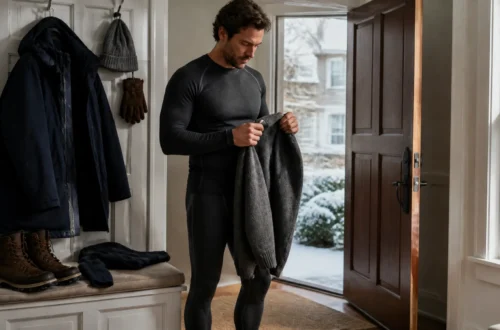
Finding one coat that suits your weather, schedule, and everyday clothes can be harder than simply choosing the warmest option. The best winter coats men can buy are the ones that provide the right protection without creating unnecessary bulk or looking out of place.
This guide matches 10 practical coat styles with distinct lifestyles, from daily commuting to working outdoors. You’ll also learn which materials, features, and fit details matter for each use.
1. Insulated Parka for the All-Weather Commuter

A thigh-length insulated parka is a dependable choice when your commute involves cold platforms, exposed sidewalks, or unpredictable precipitation. Its extended coverage protects more than a waist-length jacket, while a weather-resistant shell handles snow and light rain better than most dress coats.
- Weather protection: Look for a water-resistant or waterproof shell, sealed or protected zippers, and an adjustable hood.
- Warmth: Choose down or synthetic insulation appropriate for your local temperatures and how long you remain outside.
- Everyday function: Prioritize secure exterior pockets, an interior phone pocket, and cuffs that block drafts.
A clean parka in navy, charcoal, dark olive, or black works with office-casual clothing without appearing overly technical. Check that it covers your suit jacket or sweater hem and still allows comfortable movement through the shoulders.
2. Wool Topcoat for the Office Professional
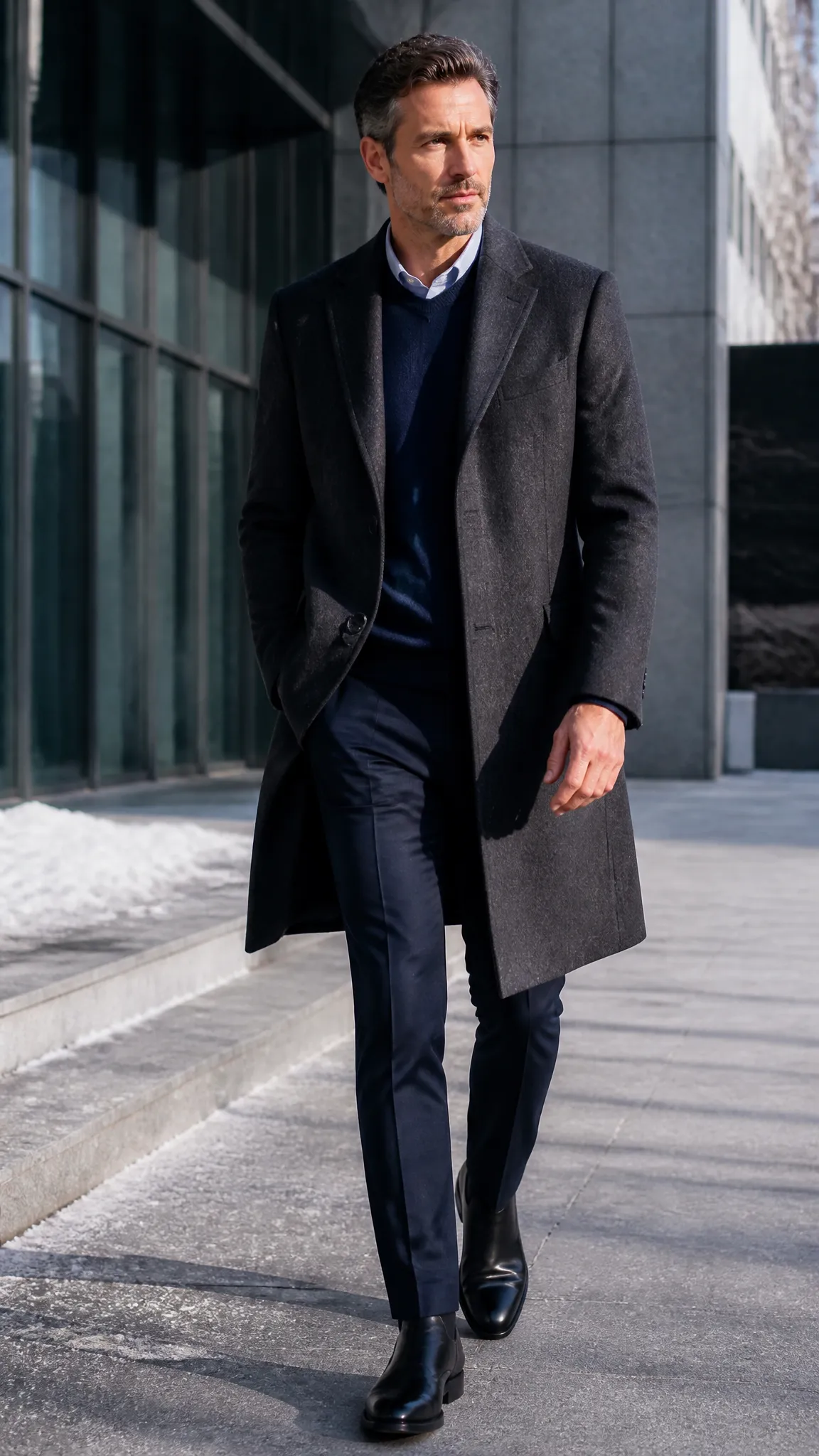
A single-breasted wool topcoat provides a polished outer layer for suits, tailored trousers, and business-casual outfits. A hem near the knee offers useful coverage, and a restrained design transitions easily from meetings to evening plans.
- Weather protection: Favor a dense wool fabric and a smooth lining, but carry an umbrella because wool isn’t a substitute for a rain shell.
- Warmth: Check the fabric composition rather than assuming every wool-look coat provides the same insulation.
- Everyday function: Confirm that the lapels sit flat and the coat buttons comfortably over your usual blazer or thickest office sweater.
Charcoal and navy are particularly versatile, while camel creates more contrast with dark tailoring. For the cleanest fit, wear your normal office layers during the fitting and make sure the sleeves cover your jacket cuffs.
3. Packable Down Jacket for the Frequent Traveler
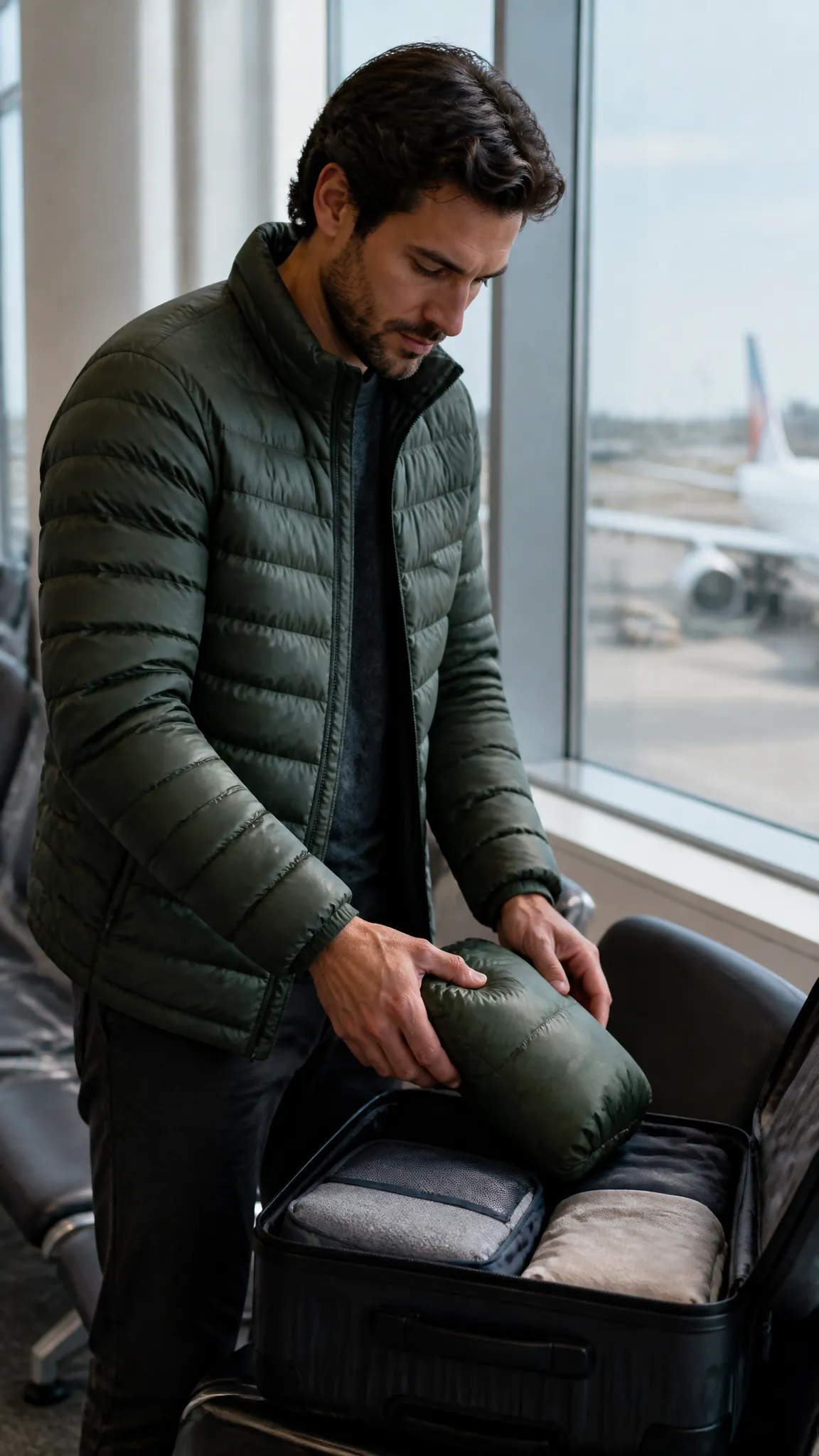
A lightweight down jacket suits travelers who want strong warmth without filling a suitcase or carry-on. It can serve as a standalone jacket in moderate winter weather or as an insulating midlayer beneath a waterproof shell when conditions become wet and windy.
- Weather protection: Seek a wind-resistant face fabric and a water-repellent finish, while remembering that most lightweight down jackets aren’t fully waterproof.
- Warmth: Compare the amount and quality of insulation, overall construction, and coverage instead of relying on fill power alone.
- Everyday function: Choose a design that packs into its own pocket or a compact sack without requiring careful folding.
A hip-length cut is easy to wear in a car, on a plane, or under a longer shell. If your trips include damp climates, consider synthetic insulation, which generally retains insulating performance better than untreated down when wet.
4. Waxed Field Coat for the Weekend Outdoorsman

A waxed cotton field coat feels at home on wooded trails, around a cabin, or during a cold Saturday of outdoor errands. The fabric develops character with wear, while multiple pockets make it easy to carry gloves, keys, and other small essentials.
- Weather protection: Waxed cotton resists wind and light precipitation, but it isn’t the right choice for prolonged heavy rain.
- Warmth: Select a lined version or leave enough room underneath for a substantial wool sweater or insulated vest.
- Everyday function: Look for hand-warmer pockets, sturdy closures, and a collar that can be turned up against cold air.
Brown, olive, and tan pair naturally with flannel shirts, denim, cords, and sturdy boots. Follow the manufacturer’s care directions, since waxed fabric typically needs spot cleaning and occasional rewaxing rather than a normal machine wash.
5. Technical Shell System for the Winter Adventurer
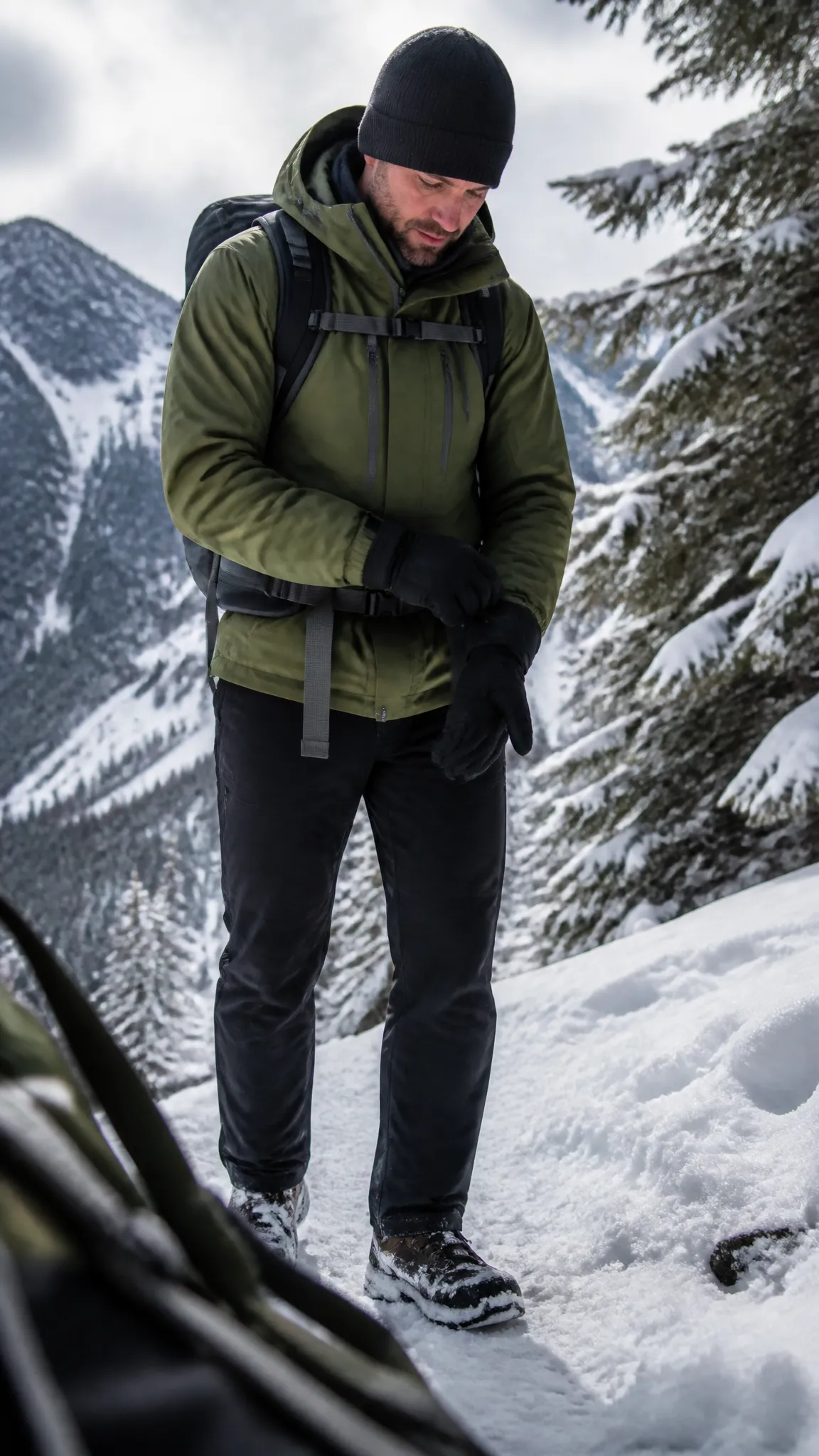
A waterproof shell worn over a separate insulating layer offers flexibility for hiking, snowshoeing, and other active winter outings. You can adjust the system as your exertion level and the weather change, which helps prevent the overheating common in one heavy coat.
- Weather protection: Choose a waterproof, breathable shell with an adjustable hood, protected openings, and enough length to cover your waistband.
- Warmth: Pair it with breathable base layers and either fleece or an insulated jacket rather than expecting the shell itself to retain much heat.
- Everyday function: Check that vents, pockets, hood adjustments, and zippers remain usable while you’re wearing gloves or a backpack.
Fit the shell over every layer you expect to wear, then reach overhead and across your body to test mobility. For strenuous activity, begin slightly cool and add insulation during slower periods instead of dressing for maximum warmth from the start.
6. Quilted Jacket for the Suburban Errand Runner

A lightly insulated quilted jacket handles the short trips that shape many suburban winter days, including school drop-offs, grocery runs, and quick walks. It provides more warmth than a simple windbreaker without the bulk of an expedition-style parka.
- Weather protection: Pick a tightly woven outer fabric with basic wind resistance and a water-repellent treatment for brief exposure.
- Warmth: Light or medium insulation works well for transitions between a heated car, stores, and short periods outdoors.
- Everyday function: Favor a two-way zipper or flexible hip-length cut for comfortable sitting and driving.
Simple diamond or horizontal quilting looks tidy with jeans, chinos, and casual office clothes. This is one of the best winter coats men can choose when convenience and easy layering matter more than maximum cold-weather protection.
7. Three-in-One Jacket for the Practical Minimalist
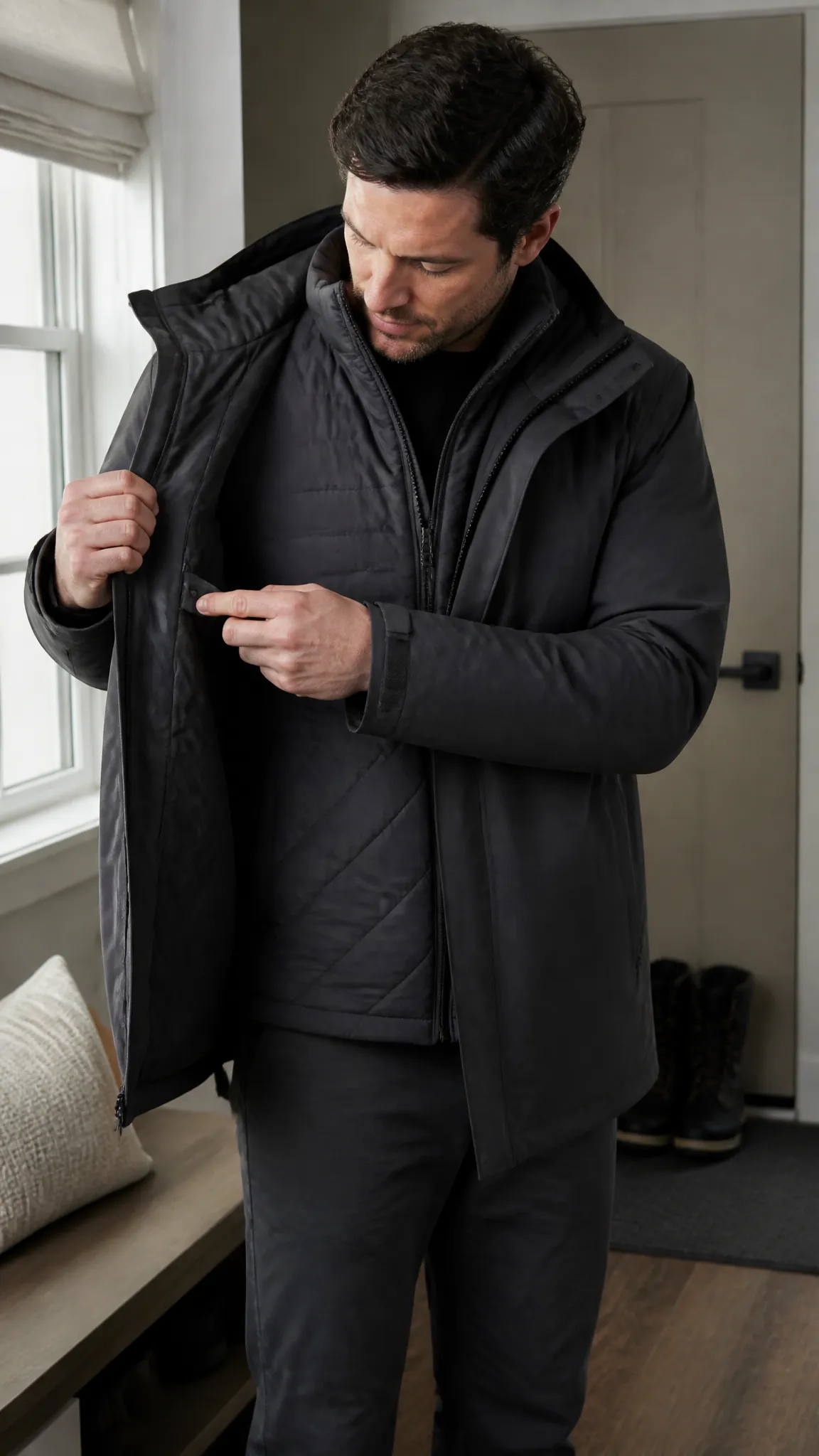
A three-in-one jacket combines a weather-resistant outer shell with a removable insulated liner. Wear the pieces together on cold, wet days, use the shell alone in milder rain, or pull out the liner for dry conditions.
- Weather protection: Inspect how the hood, cuffs, hem, and front closure block rain and wind when both layers are connected.
- Warmth: Make sure the removable liner insulates your arms as well as your torso if you need full cold-weather coverage.
- Everyday function: Test the attachment points to confirm that the liner is quick to remove and doesn’t twist inside the sleeves.
Choose a restrained color and uncluttered exterior if this will be your only winter coat. Although the system is versatile, each layer should fit and function well independently rather than feeling like a compromised half of the complete jacket.
8. Shearling-Lined Coat for the Style-Focused City Dweller
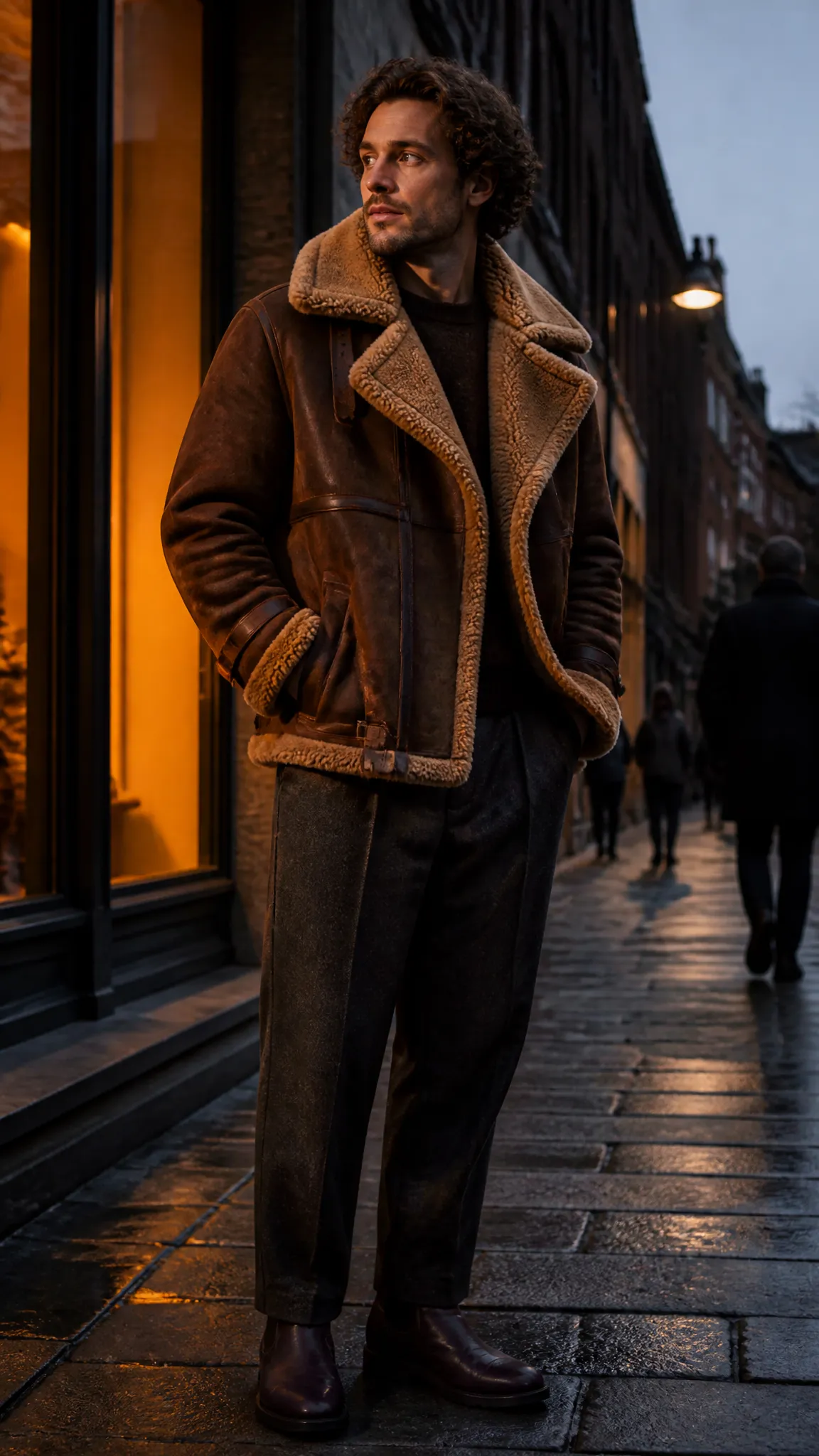
A shearling or shearling-lined coat delivers visible texture and substantial warmth for restaurants, neighborhood walks, and social plans in cold cities. Aviator-inspired silhouettes feel casual, while longer suede or leather styles create a more refined impression.
- Weather protection: Treat suede and leather according to their care instructions, and avoid relying on them during soaking rain or heavy wet snow.
- Warmth: Examine where the shearling appears, since a fully lined coat generally insulates differently from one with only a trimmed collar.
- Everyday function: Check the weight, shoulder mobility, and closure placement before committing to a coat you’ll wear for hours.
Keep the rest of the outfit simple with dark denim or wool trousers, a fine-gauge sweater, and clean leather boots. Proper storage on a broad hanger helps maintain the shoulders, while specialist cleaning is safer than improvised home treatments.
9. Insulated Work Jacket for the Hands-On Worker
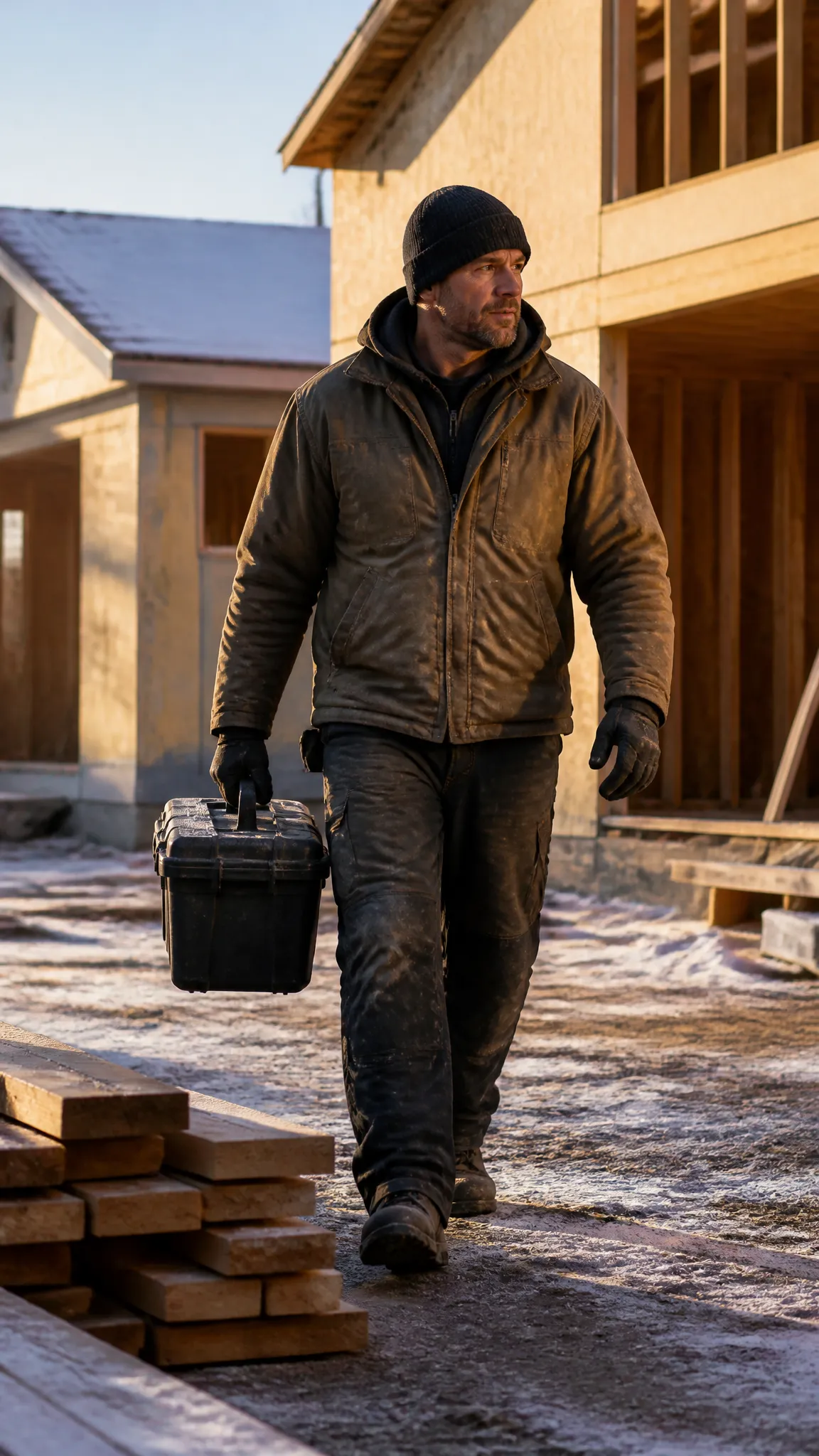
An insulated work jacket is built for men who need to bend, lift, carry, and reach in cold conditions. A durable outer fabric, practical pockets, and a shorter cut make it better suited to active tasks than a long coat with delicate materials.
- Weather protection: Match the shell to the jobsite, choosing wind resistance, water resistance, or high-visibility features when conditions require them.
- Warmth: Balance insulation with activity level so the jacket keeps you warm without trapping excessive heat during physical work.
- Everyday function: Look for reinforced stress areas, glove-friendly closures, and cuffs that won’t snag on tools or materials.
Test the jacket while reaching forward, crouching, and raising both arms. Workplace safety requirements take priority over appearance, so verify that the coat is compatible with any harness, protective equipment, or visibility standard your role demands.
10. Long Down Coat for the Cold-Sideline Regular
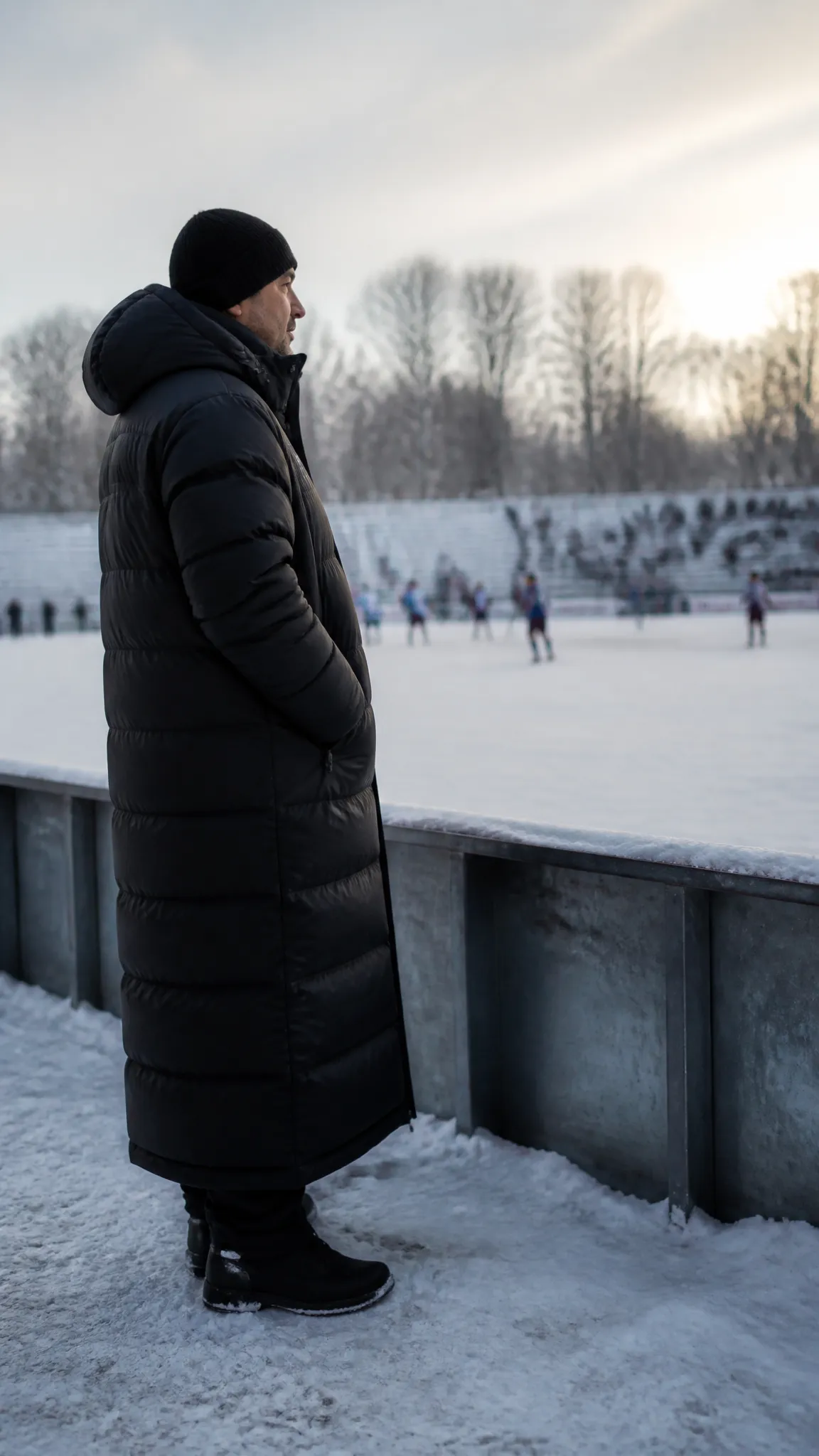
A long down or synthetic-insulated coat is valuable when winter means standing still at outdoor games, supervising practices, walking the dog before sunrise, or waiting through lengthy transit delays. Coverage to the knee or lower reduces heat loss around the hips and thighs.
- Weather protection: Look for a wind-resistant shell, an insulated hood, storm cuffs, and a finish suited to snow or brief light rain.
- Warmth: Favor continuous torso coverage and draft-blocking details, especially when you’ll be inactive for extended periods.
- Everyday function: A two-way front zipper, side openings, and large pockets improve walking, sitting, and cold-hand comfort.
Make sure the hem doesn’t restrict your stride or drag against slushy ground. This style may be excessive for quick car trips, but it can be the most comfortable option when prolonged exposure matters more than a trim silhouette.
How to Choose a Winter Coat for Your Climate
Start with your most demanding routine, not the coldest temperature you’ve ever seen. A man who spends 40 minutes outside needs different coverage from someone who moves between a garage and a heated office, even if they live in the same city.
Consider insulation, wind protection, water resistance, and coverage as separate qualities. Down offers an excellent warmth-to-weight ratio but needs protection from sustained moisture, while synthetic insulation is often easier to manage in damp conditions. Wool is comfortable and polished for urban wear, yet a technical shell is usually more appropriate for persistent rain, wet snow, or vigorous activity.
Fit is equally important. Wear your thickest expected layer when trying on a coat, then sit, reach, and rotate your shoulders. The collar and cuffs should limit drafts without pinching, and the hem should suit your routine, whether that involves driving, walking, or standing outdoors.
When comparing the best winter coats men should also check care requirements. A machine-washable jacket can be practical for daily use, while leather, shearling, waxed cotton, and some wool coats require more specialized maintenance.
Frequently Asked Questions
Should a winter coat fit tightly or loosely?
It should fit close enough to prevent large gaps but leave room for your normal winter layers. Compression can reduce the effectiveness of insulation, while excessive space allows cold air to circulate.
Is down or synthetic insulation better?
Down is light and compressible for its warmth, making it useful for dry cold and travel. Synthetic insulation usually handles moisture better and may be easier to care for, so the better option depends on your climate and routine.
What coat color is the most versatile?
Navy, charcoal, dark olive, and black combine easily with most casual and professional wardrobes. Choose the color you’ll actually wear often, then consider reflective or high-visibility elements separately if your commute or job requires them.
Can one winter coat handle every situation?
Sometimes, particularly in a moderate climate with a consistent routine. In places with cold rain, deep freezes, and varied dress codes, a weatherproof casual coat plus a wool topcoat often covers more situations than one compromise design.
How long should a men’s winter coat be?
Hip-length jackets support active movement and driving, while mid-thigh parkas provide more general protection. Knee-length coats are useful for formal clothing or long periods spent standing outside.