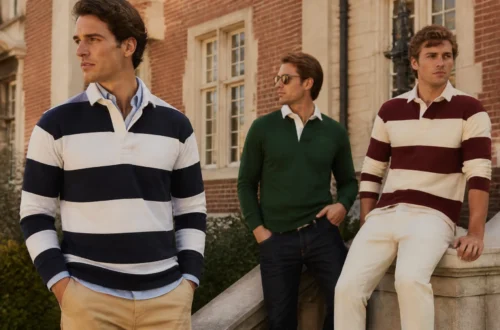
You put on a blazer, loafers, and a striped tie, but instead of looking polished, you feel like you’re dressed for a theme party. Many preppy style mistakes men make come from stacking too many recognizable pieces or choosing versions that look overly pristine.
These ten fixes will help you keep the tailored, collegiate character of preppy clothing while making each outfit feel relaxed, current, and personal. The goal isn’t to abandon the look, but to wear it with restraint.
1. Wearing Every Preppy Signifier at Once
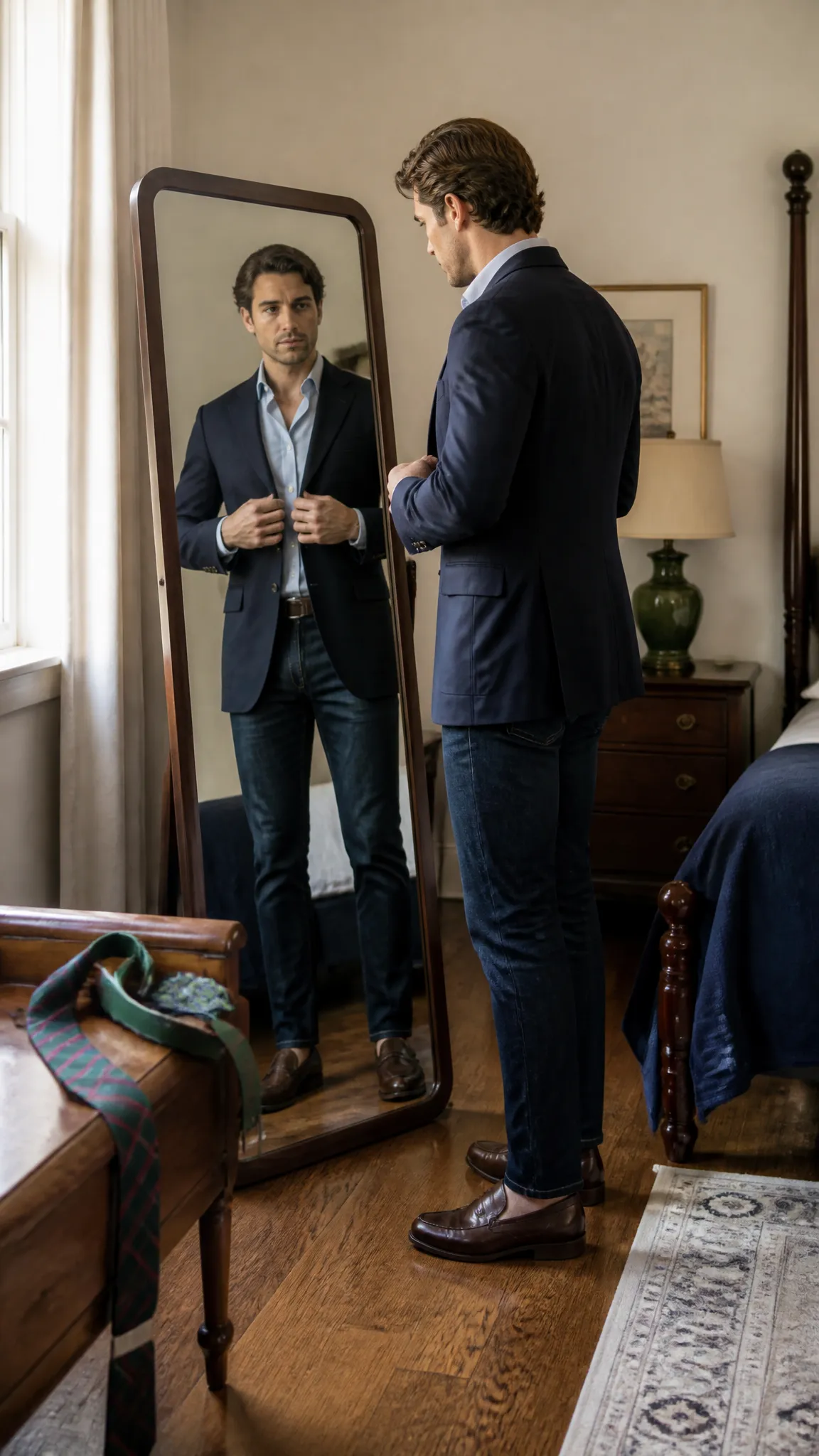
A navy blazer, button-down shirt, rep tie, chinos, penny loafers, needlepoint belt, and pocket square can all belong in a preppy wardrobe. Worn simultaneously, however, they create a checklist rather than an outfit, making you appear as though you’re portraying a character.
Why It Looks Like a Costume: Each recognizable detail competes to announce the same aesthetic. Because nothing sits quietly in the background, the outfit feels studied and literal instead of natural.
How to Fix It: Limit yourself to two or three obvious preppy elements, then ground them with simple pieces. Try a navy blazer and loafers with an open-collar Oxford shirt and dark jeans, or wear chinos and a rugby shirt with understated sneakers.
2. Making the Fit Too Tight and Precise
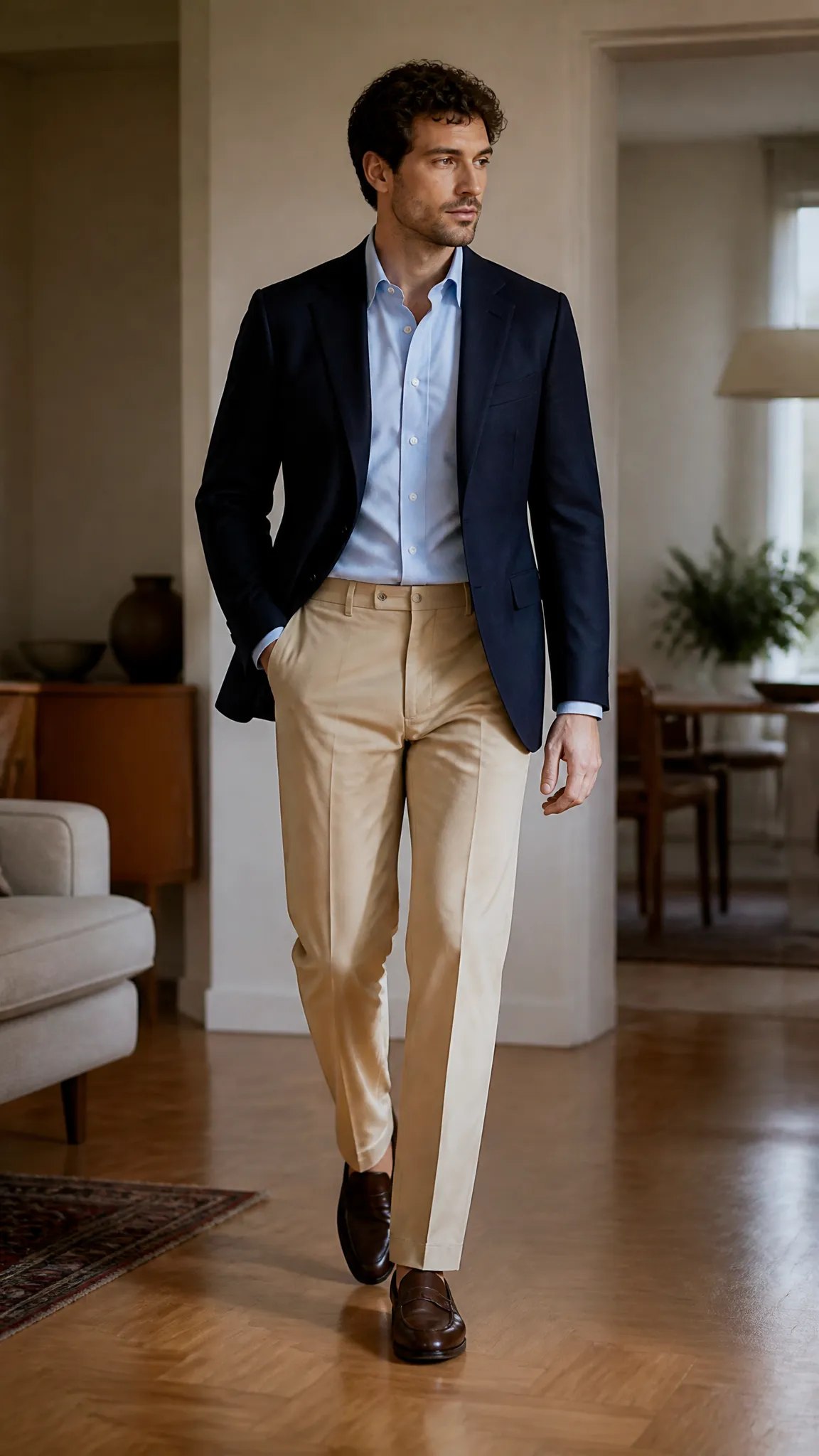
Preppy clothing relies on clean lines, but clean doesn’t mean constricting. A blazer that pulls at the button, chinos that grip the thighs, and a shirt collar that appears undersized can turn classic tailoring into an affected uniform.
Why It Looks Like a Costume: An aggressively sculpted fit removes the ease associated with campus, coastal, and sporting influences. It also makes traditional garments look like modern reproductions rather than clothes you comfortably live in.
How to Fix It: Choose a jacket that follows your shoulders without pinching and trousers with enough room to fall cleanly. An Oxford cloth button-down should allow movement through the chest, while sleeves and hems should look intentional rather than painted onto the body.
3. Using Bright Color Everywhere
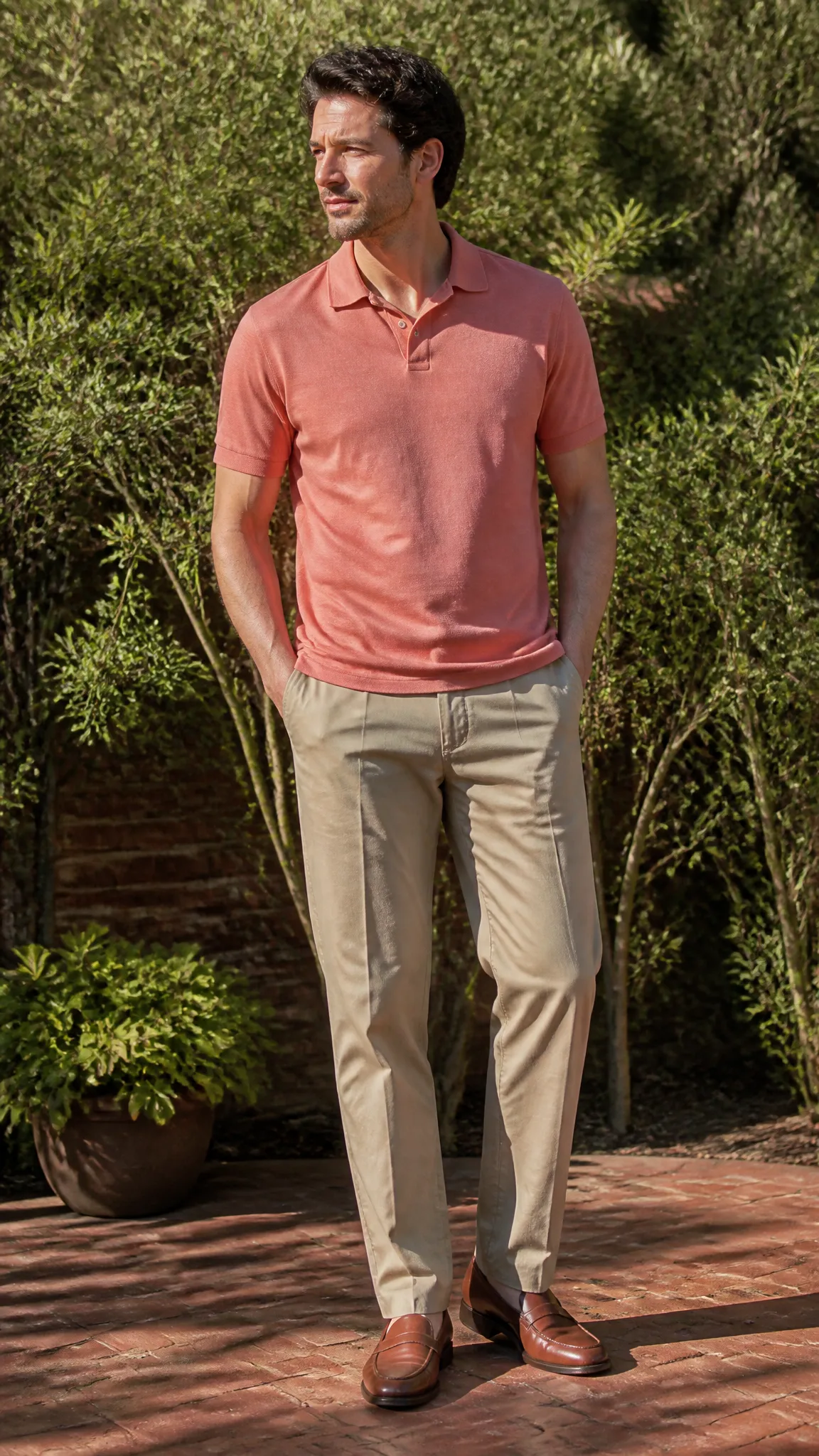
Pastel polos, colorful shorts, striped belts, and vivid socks can be appealing individually. Combining several saturated shades at equal intensity turns the outfit into a caricature, especially when pink, green, yellow, and turquoise all demand attention.
Why It Looks Like a Costume: With no neutral foundation, the eye has nowhere to rest. The result can resemble a themed party outfit rather than everyday menswear with a confident use of color.
How to Fix It: Build around navy, white, gray, tan, olive, or stone, then introduce one clear color accent. A faded coral polo works with khaki trousers and brown loafers; green chinos feel calmer beside a white shirt and navy sweater.
4. Mixing Too Many Patterns
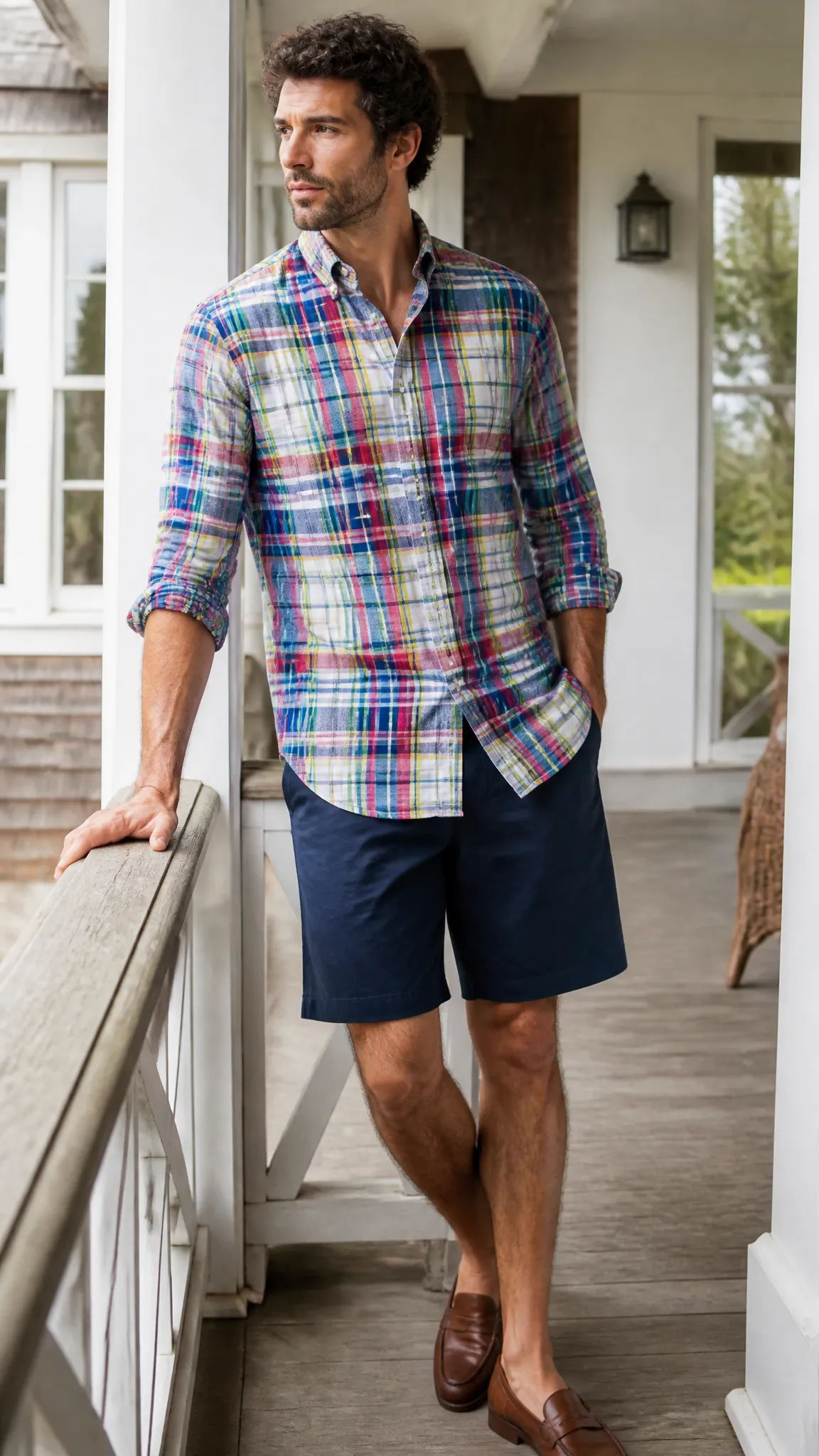
Stripes, checks, plaids, crests, and small motifs are established parts of preppy dressing, but they need visual space. A striped Oxford shirt under a tartan jacket with a patterned tie and embroidered pants makes every layer fight for attention.
Why It Looks Like a Costume: Dense pattern mixing signals that the outfit was assembled to demonstrate a style category. Even when the colors technically coordinate, competing scales and motifs create noise.
How to Fix It: Use one dominant pattern and, if needed, one subtle supporting pattern at a different scale. Pair a bold madras shirt with solid shorts, or combine a finely striped shirt with a widely spaced club tie and plain navy jacket.
5. Treating Logos and Crests as Decoration
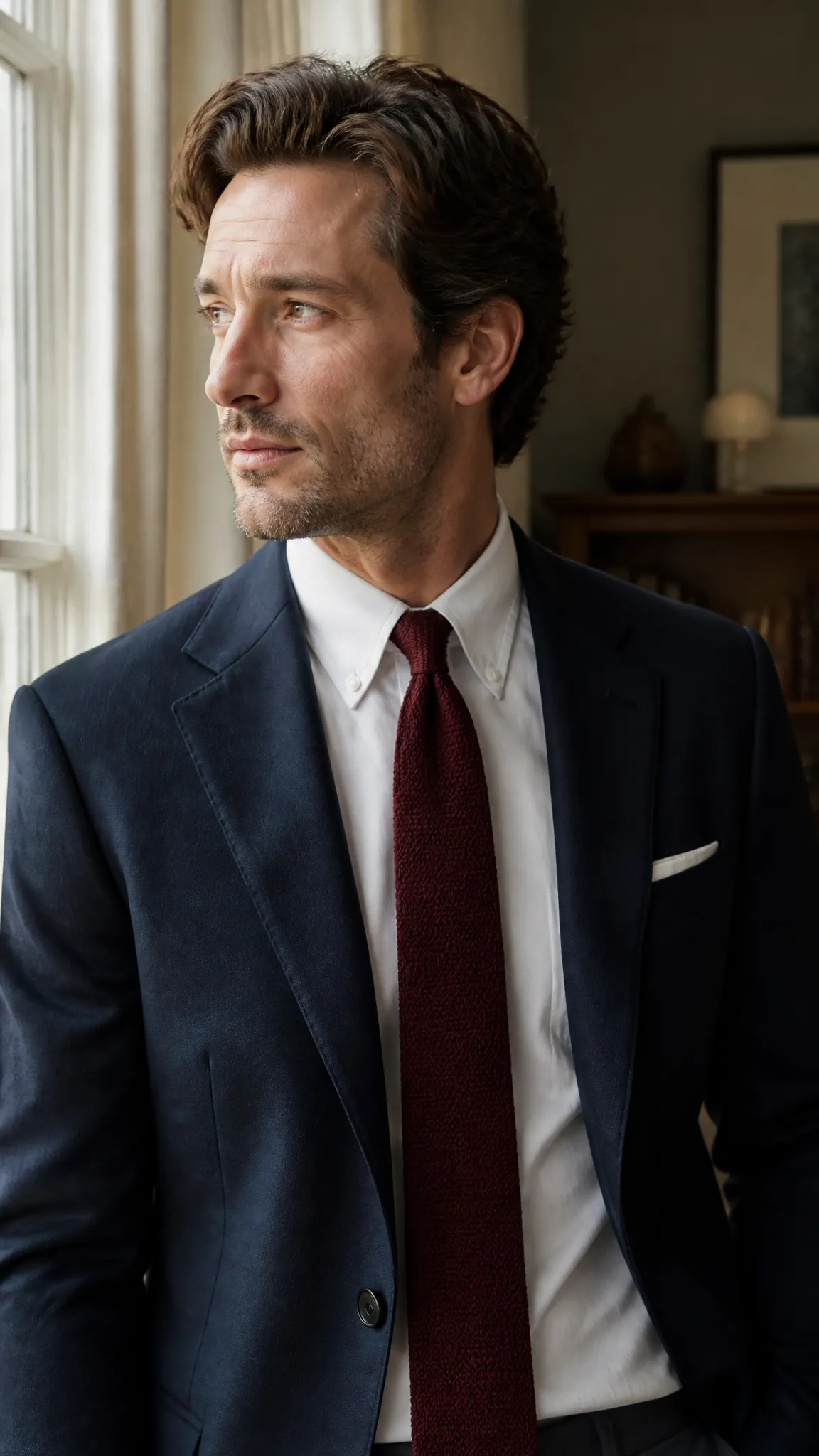
A small embroidered emblem can add sporting character, but repeated crests, monograms, and conspicuous brand marks quickly feel performative. This is particularly true when they appear on the blazer, shirt, belt, and accessories together.
Why It Looks Like a Costume: Badges traditionally imply membership, affiliation, or achievement. Wearing several unrelated symbols can seem like borrowed identity, while oversized branding shifts attention away from fit, fabric, and proportion.
How to Fix It: Favor plain garments and let a single discreet motif provide detail. If your blazer has a crest, keep everything else quiet. Better still, reserve institutional symbols for groups you genuinely belong to and choose logo-free basics elsewhere.
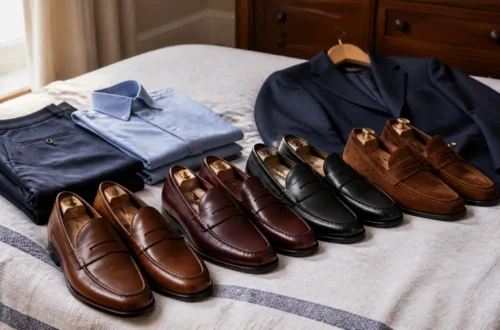
6. Wearing Loafers That Look Untouched
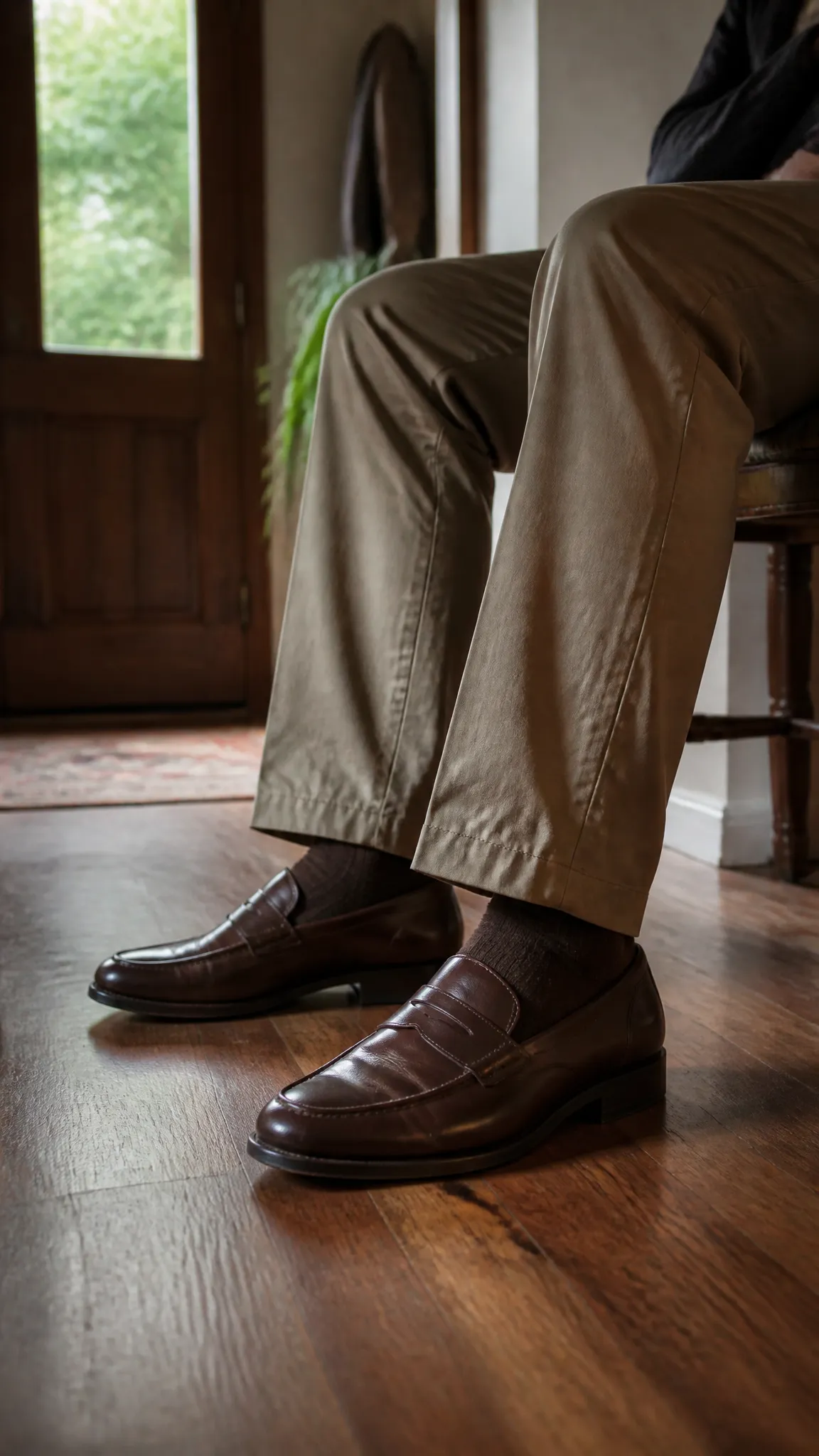
Glossy loafers straight from the box can look stiff beneath an otherwise relaxed outfit. When they’re paired with spotless white trousers, a rigid blazer, and perfectly matched accessories, that untouched finish contributes to a mannequin-like effect.
Why It Looks Like a Costume: Preppy footwear is supposed to support daily life, not appear preserved for display. Excessive shine and rigid leather clash with casual fabrics such as Oxford cloth, cotton twill, linen, and worn denim.
How to Fix It: Pick supple penny loafers, tassel loafers, boat shoes, or plain derbies with a moderate finish. Condition the leather and maintain the soles, but allow normal creasing and patina to develop rather than polishing away every sign of wear.
7. Adding a Sweater Purely as a Prop
A sweater draped over the shoulders can be useful when temperatures change, but it looks forced when it’s tightly knotted and clearly never meant to be worn. The gesture becomes even more theatrical alongside sunglasses, a pocket square, and a sharply popped collar.
Why It Looks Like a Costume: The sweater stops functioning as clothing and becomes a symbol. Highly arranged sleeves and a perfect knot suggest you’re maintaining a pose rather than moving through your day.
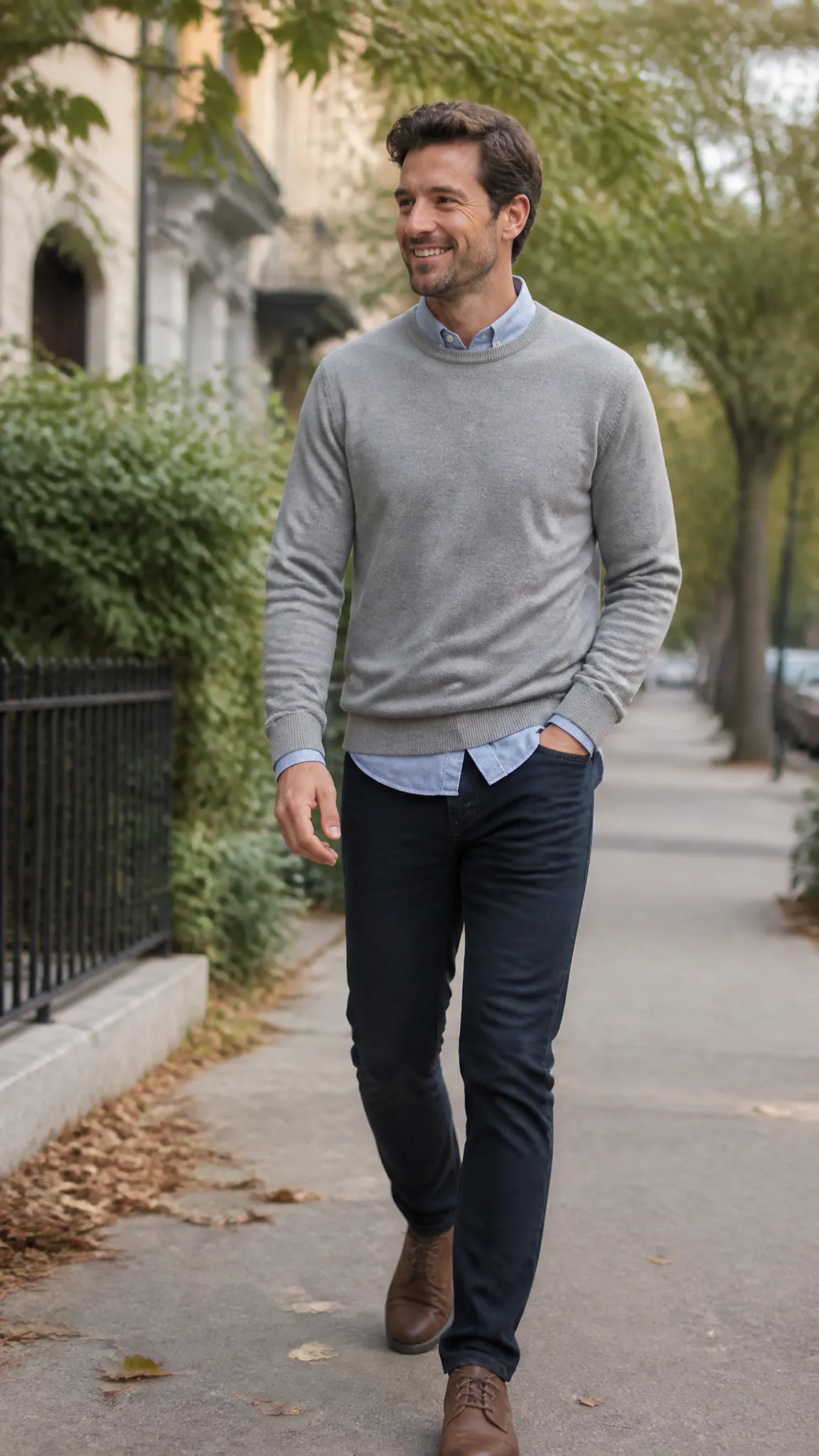
How to Fix It: Carry or drape a sweater only when the weather makes it plausible, and keep the placement loose. A cotton crewneck over a button-down or a lightweight knit worn normally often looks more convincing and gives the outfit useful texture.
8. Popping the Collar Too Aggressively

A polo or outerwear collar may lift naturally at the back, especially under another layer. Turning every collar sharply upward around the entire neck, however, reads as a deliberate styling trick instead of an incidental detail.
Why It Looks Like a Costume: An exaggerated collar frames the face in a way that immediately attracts notice. Combined with layered polos or a sweater tied at the shoulders, it leans into a familiar stereotype rather than individual style.
How to Fix It: Let polo collars sit mostly flat and shape jacket collars according to their construction. If the back lifts slightly beneath a coat or sweater, don’t fuss with it. Natural asymmetry looks more relaxed than a collar arranged like a stage costume.
9. Ignoring the Setting

A seersucker suit, bow tie, and spectators may work at a specific warm-weather celebration, but they can feel theatrical during an ordinary dinner. Likewise, full equestrian, sailing, or tennis references look odd when the setting has no connection to those activities.
Why It Looks Like a Costume: Clothing gains meaning from context. When an outfit is significantly more formal, seasonal, or activity-specific than your surroundings, it appears to represent an imagined lifestyle rather than serve your actual plans.
How to Fix It: Match the level of polish to the event. For a casual restaurant, wear an Oxford shirt, straight chinos, and loafers rather than the complete club ensemble. Among common preppy style mistakes men make, overlooking context is one of the easiest to prevent.
10. Copying a Look Without Personalizing It
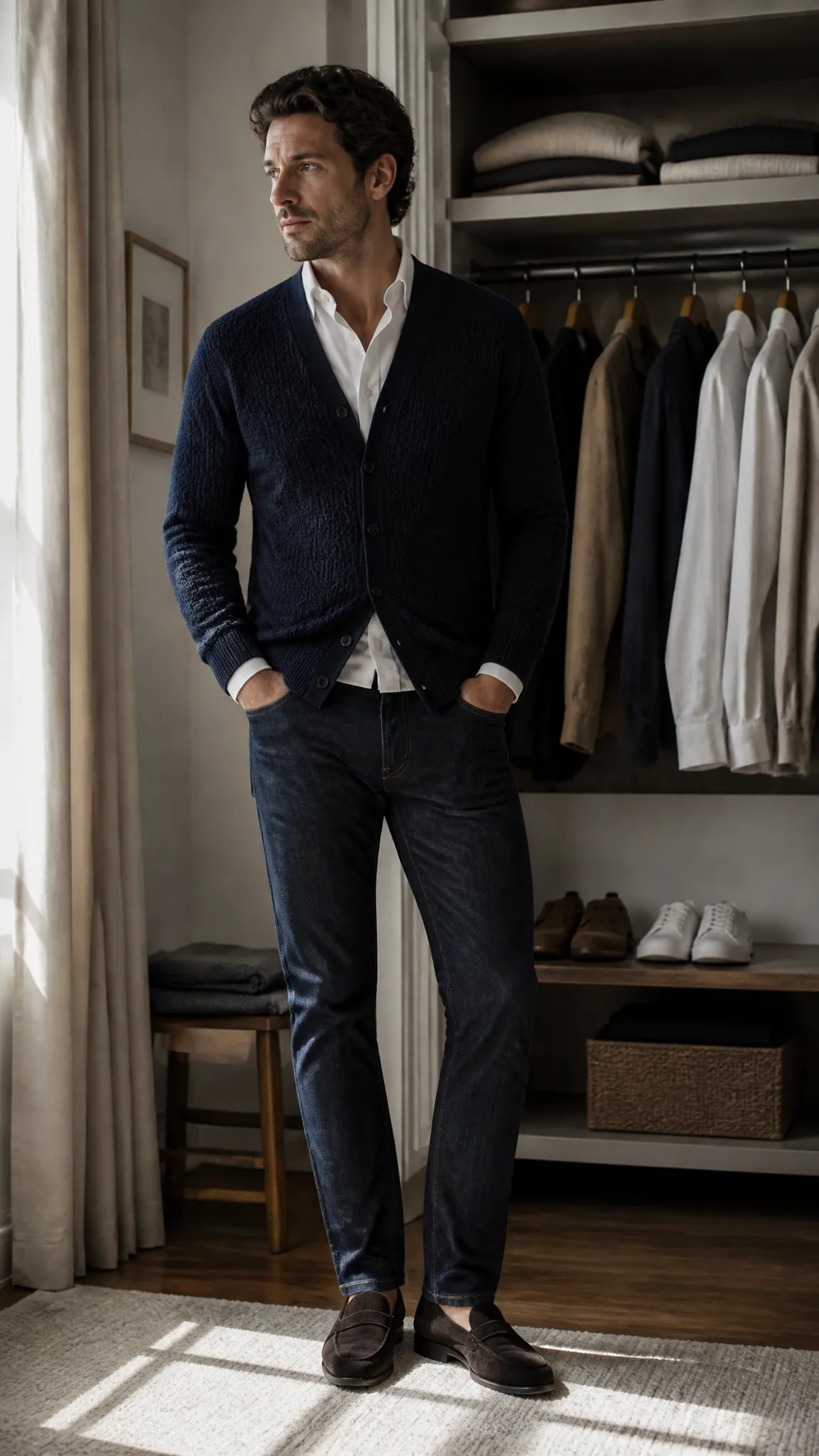
Recreating an archival photograph or catalog outfit piece for piece may produce technical accuracy, but it rarely produces ease. Your build, climate, workplace, social plans, and existing wardrobe may call for different fabrics, proportions, or footwear.
Why It Looks Like a Costume: Exact copying preserves details that belonged to another person and setting. If you don’t normally wear ties, bright trousers, or boat shoes, combining them all at once can make you visibly self-conscious.
How to Fix It: Borrow the outfit’s structure rather than every item. Keep the navy-and-khaki palette but substitute dark denim, or replace a tie and blazer with a textured cardigan. The best correction for preppy style mistakes men encounter is to retain only what suits their real routine.
How to Make Preppy Style Feel Natural
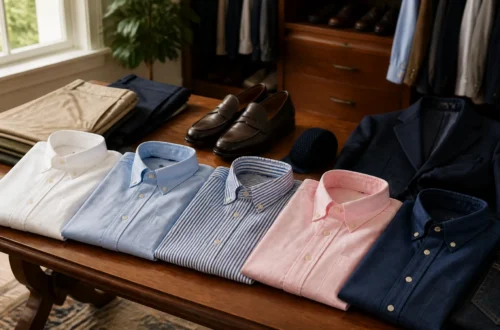
Start with one dependable foundation: an Oxford shirt and chinos, a navy blazer and jeans, or a polo and tailored shorts. Add one item with clear preppy character, such as loafers, a rugby shirt, a cable-knit sweater, or a restrained striped tie. Before leaving, remove any detail that exists only to prove the theme.
Fabric and condition matter as much as the garments themselves. Washed cotton, brushed wool, suede, linen, and softly creased leather tend to look lived-in, while a combination of rigid fabric, mirror shine, and immaculate matching can feel artificial. Clothes should be clean and maintained, but they don’t need to appear untouched.
Finally, check whether the outfit makes sense for the weather and destination. A grounded preppy wardrobe adapts to your life rather than asking your life to fit an image.
Frequently Asked Questions
How many preppy pieces should men wear at once?
There isn’t a strict rule, but two or three recognizable elements are usually enough. For example, pair a navy blazer and penny loafers with neutral jeans and a plain shirt rather than adding a crest, rep tie, embroidered belt, and colorful socks.
Can preppy style include jeans and sneakers?
Yes. Straight dark or medium-wash jeans make tailoring feel less formal, while clean canvas or simple leather sneakers can relax polos, rugby shirts, and Oxford shirts. Avoid heavily distressed denim or technical athletic shoes if you want to preserve the classic character.
Which preppy colors are easiest to wear?
Navy, white, light blue, gray, tan, olive, and burgundy are flexible starting points. Once the neutral base works, add one softer or brighter shade, such as pale pink, yellow, or green.
Are boat shoes still appropriate away from the water?
They can work with casual warm-weather clothing, especially shorts, chinos, polos, and linen shirts. Keep the rest of the outfit simple, and don’t combine them with several nautical motifs unless you’re actually dressing for a boating setting.
Should preppy outfits look vintage?
Not necessarily. Vintage-inspired details can add character, but the outfit should still suit your proportions and daily needs. Modernizing the trouser cut, simplifying accessories, or choosing a softer jacket often keeps older references from feeling like period clothing.